
You have probably spent hours on Google at midnight. Reading studies you only half understand. Trying to figure out if your body can still do this.
Maybe you have sat in a waiting room filling out a form that asks how many failed cycles you have had. Maybe you have cried in a car on the way home from a consultation.
You are not broken. You are not too late. And you deserve real information - not a sales pitch, not false hope, not "it worked for my cousin."
This article is about one herb: Shatavari. It is used in Ayurvedic medicine for women's reproductive health. It has been used for five thousand years. Modern clinical trials are now testing it. And some of what they are finding should be in every fertility conversation, not just the ones in Ayurvedic clinics.
What Is Shatavari
Shatavari is the root of a plant called Asparagus racemosus. It grows in India, the Himalayas, Sri Lanka, and parts of Africa and Australia. It is a climbing plant with thin feathery leaves and a thick tuberous root.
The name Shatavari comes from Sanskrit. It translates, roughly, to "she who possesses a hundred husbands." The herb's reputation for supporting female vitality and fertility across all stages of life is exactly what that name points to.
In Ayurveda, Shatavari is classified as a Rasayana - a rejuvenating tonic. It is considered the single most important herb for women's reproductive health. The two oldest Ayurvedic medical texts - the Charaka Samhita and the Ashtanga Hridayam - both name it as the primary herb for female reproductive disorders.
I grew up around this. Among every relative and neighbor I knew growing up in Himachal Pradesh, nobody had problems getting pregnant. The older women in the village were the first consultation - before any doctor, before any clinic. Shatavari was part of that system.
What Is Actually Inside Shatavari
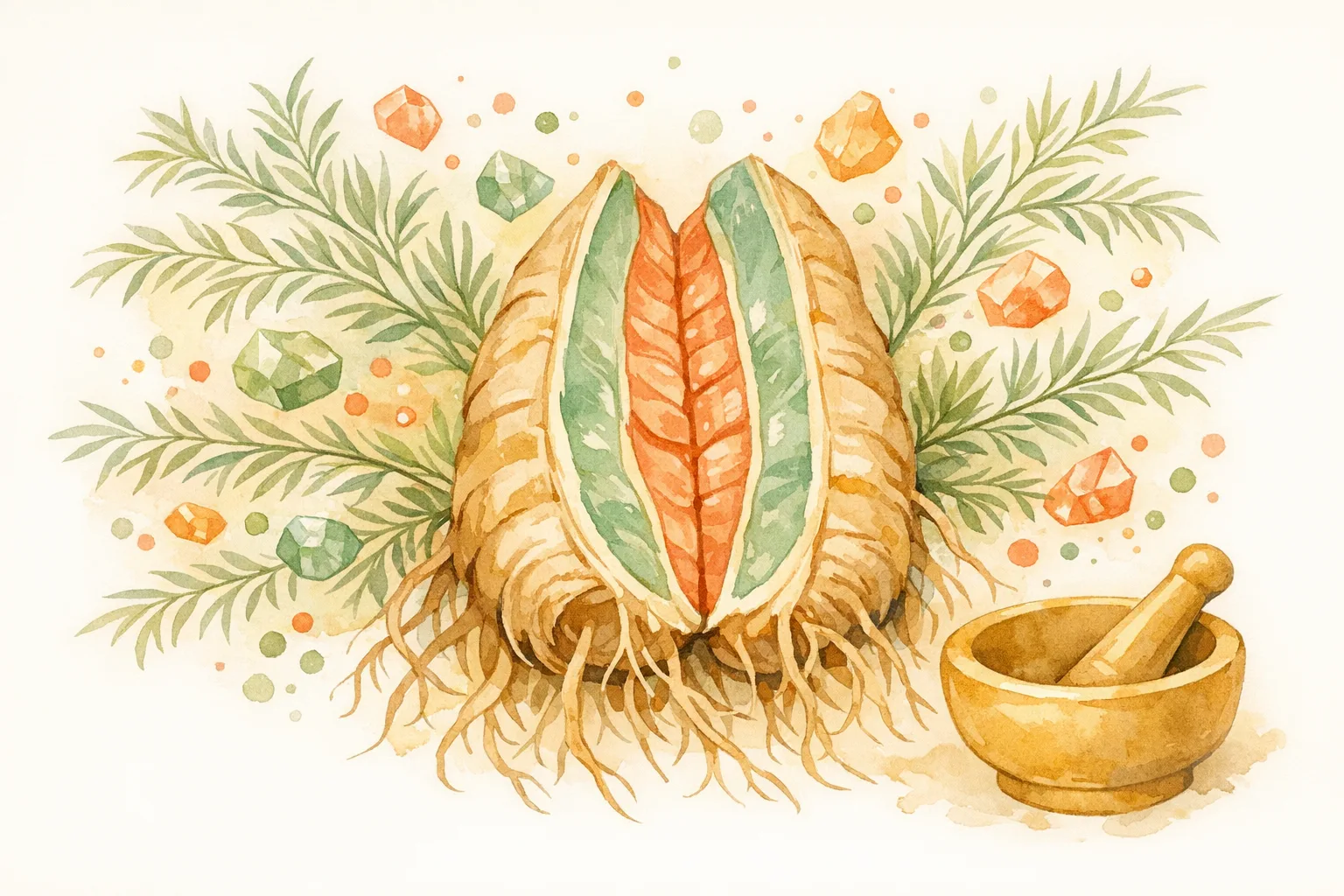
Modern pharmacology has identified the active compounds in Shatavari root. The most important ones are steroidal saponins called shatavarins - specifically Shatavarin I through IV.
These shatavarins bind to estrogen receptors in the body. According to a review published in Current Nutrition Reports (PubMed ID 40974515), the primary phytoconstituents of Shatavari have high molecular weights and interact with hormone receptors including estrogen, progesterone, and the hormones that control egg development.
The root also contains flavonoids like quercetin and rutin, which fight inflammation. It contains Racemofuran, a natural COX-2 inhibitor that works similarly to prescription anti-inflammatory drugs. It contains tryptophan, which stimulates prolactin - the hormone that produces breast milk. And it contains trace minerals including zinc, manganese, and selenium.
A review in Current Nutrition Reports (PubMed ID 40974515) found that Shatavari has the potential to enhance fertility rates and improve breast milk quality and quantity, with preliminary findings also indicating positive outcomes for male fertility.
The Problem with Modern Fertility Treatment
IVF involves stimulating your ovaries with injectable hormones, retrieving your eggs surgically, fertilizing them in a lab, and transferring embryos back to your uterus. For some women, it is necessary and it works.
But the cost is real. According to Forbes Health, one IVF cycle in the United States costs between $15,000 and $30,000. For women with low ovarian reserve - measured by anti-Mullerian hormone, or AMH - the numbers are harder. A retrospective analysis of SART data published in Fertility and Sterility (Seifer et al.) found that women with very low AMH levels had a live birth rate of 16 percent per retrieval and 20 percent per transfer. That means 4 out of every 5 frozen embryo transfers do not result in a live birth.
A nationwide survey published in the Journal of Patient Experience (PMID 38414755) found that the most commonly cited reason women stopped fertility treatment was financial burden - cited by 62% of respondents. Psychological burden came second at 58%.

What the Research Shows
Shatavari and PCOS
Polycystic ovary syndrome - PCOS - is one of the leading causes of female infertility. It causes irregular cycles, elevated male hormones, excess follicle growth on the ovaries, and insulin resistance.
In a double-blind, randomized, placebo-controlled trial published in Food and Nutrition Research (Kondamudi et al.), 60 women aged 20-35 with PCOS took either 100 mg of standardized Shatavari extract or a placebo for 84 days. The Shatavari group showed a 20.98% reduction in mean ovarian volume. Cyst size was reduced by 40.97%, and follicle count fell by 20.56%. Insulin sensitivity improved. The LH-to-FSH ratio normalized. Menstrual pattern also improved.
Those are structural changes to the ovaries. The ovary itself changed.
A second PCOS trial published in Frontiers in Endocrinology (Mhatre et al.) enrolled 70 women aged 20-40 in a 12-week double-blind trial. Women who took standardized Shatavari root extract saw a significant decrease in follicular count and a significant increase in endometrial thickness. A thicker uterine lining is more receptive to an embryo. Psychological stress scores also dropped significantly - by an average of 6.64 points on a validated stress scale - compared to placebo.
Shatavari and Perimenopause
A randomized, double-blind, placebo-controlled trial published in Functional Foods in Health and Disease tested Shatavari in 75 perimenopausal women aged 40-50 over 120 days. Hot Flash Weekly Weighted Scores dropped by 27.6% and 39.8% in the two treatment groups, compared to a 7.7% increase in the placebo group. Ovarian follicle count increased by 34.4% and 51.9% in the two treatment arms, compared to no change in placebo. Hormonal changes were also observed, including altered levels of FSH, LH, AMH, and estradiol.
A separate randomized controlled trial published in the Journal of the American Nutrition Association involving 50 perimenopausal women on 200 mg daily of standardized Shatavari for 120 days found significant reductions in total menopause rating scale scores and hot flash scores compared to placebo.
Shatavari and Breast Milk Production
A double-blind, placebo-controlled study published in Cureus (PMC9375125, Birla et al., 2022) gave 78 postpartum women either a Shatavari-oat bar or an identical placebo bar. The Shatavari group produced a mean milk volume of 64.74 ml versus 49.69 ml in the placebo group. Time to breast fullness was 30.49 hours versus 38.09 hours. No adverse events were reported.
A second randomized, double-blind study published in the Journal of Obstetrics and Gynaecology (Ajgaonkar et al., PubMed ID 41055223) gave 300 mg of Shatavari root extract or placebo to postpartum women for 72 hours. The Shatavari group had more milk, reached breast fullness sooner, and reported greater satisfaction with breastfeeding. No side effects were observed in any mother or infant.
The mechanism is well understood. Shatavari contains phytoestrogens that stimulate prolactin production, and tryptophan, which independently supports prolactin secretion.
Shatavari and Sexual Wellness
A three-arm, double-blind, randomized controlled trial published in the International Journal of Women's Health (Ademola et al., doi 10.2147/IJWH.S561213) enrolled 135 women for 8 weeks. One group received Shatavari alone. A second received Shatavari combined with ashwagandha. A third received placebo.
Results were measured using the Female Sexual Function Index. The Shatavari-alone group showed significant improvement in total sexual function score and sexual satisfaction. The combination group showed significant improvements in arousal, lubrication, orgasm, total function score, and satisfying sexual events. Sexual distress scores improved in both treatment groups. Sleep quality also improved in the combination group. All adverse events were mild and self-resolving. Liver, thyroid, and kidney function markers showed no changes.
The Ayurvedic Approach
Ayurveda does not treat a symptom. It treats a system.
When Ayurvedic medicine looks at a woman who cannot conceive, it asks different questions than a fertility clinic does. It asks: what is her digestion like? How does she sleep? What is the quality of her stress? Is her womb nourished or depleted?
Shatavari sits at the center of the Ayurvedic approach to female fertility because it is classified as a Rasayana - a tonic that works on the whole system. It is not a stimulant. It is a normalizer. The clinical trials support this. It modulates the hypothalamic-pituitary-ovarian axis - the chain of signals between your brain and your ovaries. When that chain is disrupted, cycles become irregular, eggs develop poorly, and implantation fails.
At Omioni, Shatavari is one piece of a larger protocol. We restructure diet, sleep, environment, stress, movement, and relationships. We come to your home. The herbs are one layer. The lifestyle is another. The emotional environment is a third.
Conventional vs Natural - An Honest Comparison
| Factor | IVF | Ayurvedic Approach |
|---|---|---|
| Process | Hormonal injections, egg retrieval surgery, embryo transfer | Herbs, diet, lifestyle restructuring, stress reduction |
| Cost per cycle | $15,000-$30,000 per cycle (Forbes Health) | Call 972-282-3930 to discuss |
| Success rate (low AMH) | 16-20% live birth rate per transfer (SART/Seifer et al., Fertil Steril) | Omioni reports 84% for this group - call to learn more |
| Invasiveness | Surgical retrieval, needles, hormonal stimulation | Non-invasive, no procedures |
| Time to see results | One cycle is approximately 2-3 weeks | PCOS changes visible in 84 days (Kondamudi et al., Food and Nutrition Research) |
| Side effects | Ovarian hyperstimulation syndrome, bloating, mood shifts, multiple pregnancy risk | Mild nausea or loose stool in some; no serious adverse events in trials |
| Treats root cause | Bypasses the root cause to achieve pregnancy mechanically | Works on hormonal balance, stress, nutrition, uterine receptivity |
| Works on PCOS ovarian structure | No direct improvement to ovarian morphology | Significant reduction in cyst size and ovarian volume (Kondamudi et al.) |
IVF is a powerful tool. For women with blocked tubes, severe male factor infertility, or a time-critical situation, it may be the right path. Nobody here is telling you to ignore your doctor.
But the fertility industry does not always tell you that a 5,000-year-old herbal protocol with a growing body of clinical evidence even exists. You deserve to know all your options before you decide.
How to Take Shatavari - What the Trials Actually Used
Most clinical trials used standardized Shatavari root extract - meaning the product guarantees a specific percentage of shatavarins. The Kondamudi PCOS trial used a product standardized to 15% shatavarins at just 100 mg per day. The perimenopause trial used 200-300 mg per day. The lactation trials used 300 mg twice daily for 72 hours.
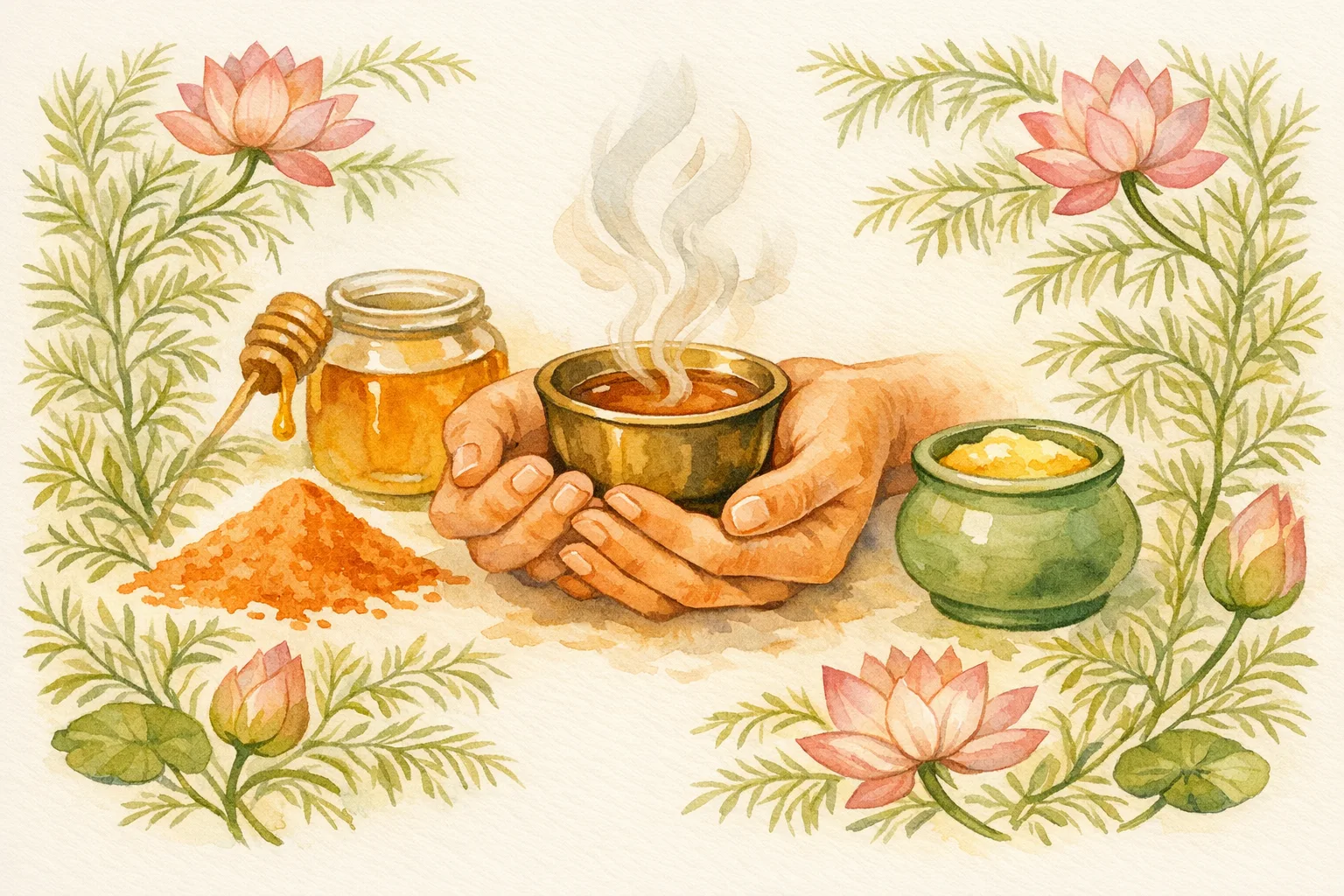
Traditional Ayurvedic preparations use Shatavari powder mixed into warm milk with ghee and honey. Clinical trials noted palatability as a common barrier, which is why the standardized capsule form is often preferred.
Standard dosage guidance from clinical literature:
- For PCOS and hormonal balance: 100-300 mg daily of standardized extract, or 3-5 grams of powder daily in divided doses
- For perimenopausal symptoms: 200-300 mg daily
- For lactation support: 300 mg twice daily starting immediately after birth
- For general reproductive support: 300-500 mg daily
The PCOS trial showed significant changes at 84 days. Do not expect overnight results. This is not that kind of medicine.
Note: Women who are pregnant, on hormonal medications, or have hormone-sensitive conditions should talk to a healthcare provider before using Shatavari. Allergies to asparagus family plants are a contraindication.
What You Can Do Today
Get your AMH and follicle-stimulating hormone tested. These are blood tests. Ask your doctor. They tell you where your ovarian reserve stands and what kind of support you might need.
Start a Shatavari protocol for 90 days. Look for a standardized extract - the label should state the percentage of shatavarins. The clinical trials used 100-300 mg daily. Track your cycles, stress, sleep, and digestion.
Read about the full Ayurvedic fertility approach. Shatavari is one herb. Diet, sleep, stress, environment, and relationships are the full picture. Read our article on what to eat to support fertility with Ayurveda and our guide on natural approaches for low AMH.
Call us. If you want to understand what a full in-home program looks like, call 972-282-3930. We are based in Las Vegas. People move here to do this program. It is intensive. It is personal.
When IVF Makes Sense
IVF is appropriate when there are structural issues that cannot be resolved through lifestyle changes: blocked fallopian tubes, severe male factor infertility, certain genetic screening needs, premature ovarian failure.
IVF is often used first when other paths have not been tried. A 90-day Ayurvedic protocol is not a loss. It is information. If your cycles regularize, your stress drops, and your uterine lining improves, that is a body that was not ready before and now might be. If a full natural protocol does not work, you enter IVF with a better-prepared body.
FAQs
How long does Shatavari take to work for fertility?
The PCOS clinical trial by Kondamudi et al., published in Food and Nutrition Research, showed significant structural changes in the ovaries at 84 days. The perimenopause trials saw hormonal and symptom changes at 4-8 weeks. For fertility specifically, give it at least 90 days before evaluating results.
Can Shatavari raise AMH levels?
The perimenopause trial published in Functional Foods in Health and Disease observed changes in AMH levels as a secondary outcome, indicating endocrine modulation. Directly raising AMH is not a confirmed primary action of Shatavari in current clinical literature. What the trials confirm is ovarian morphology improvement, follicle count changes, and hormonal normalization - all of which support better ovarian function.
Is Shatavari safe?
Multiple randomized controlled trials have found Shatavari to be well-tolerated. The sexual wellness trial (Ademola et al.) found all adverse events were mild and self-resolving, with no changes to liver, thyroid, or kidney markers. The lactation trial found no adverse events in nursing mothers or their infants. Women with asparagus allergies or hormone-sensitive conditions should consult a healthcare provider first.
Can Shatavari help with PCOS if I am trying to get pregnant?
The Kondamudi et al. and Mhatre et al. trials both studied PCOS in women of reproductive age. The Mhatre trial found that Shatavari increased endometrial thickness - the uterine lining an embryo must implant in. The Kondamudi trial found improvements in ovarian morphology, insulin sensitivity, and menstrual pattern. These are all directly relevant to fertility.
How is Shatavari different from other fertility supplements?
Most fertility supplements target one thing - folate for neural tube development, CoQ10 for egg quality, iron for anemia. Shatavari acts as a hormonal adaptogen. It normalizes dysregulated signaling and ovarian function in PCOS and helps restore key hormones that have declined in perimenopause. It works differently at different life stages - not by pushing in one direction, but by supporting the system's ability to regulate itself.
What is the best form of Shatavari to take?
Clinical trials used standardized root extract capsules where the label states the percentage of shatavarins. The Kondamudi PCOS trial used 15% shatavarin standardization at 100 mg daily. Traditional Ayurvedic preparations use powder stirred into warm milk with ghee and honey, but the powder is bitter - which is why trials used capsule form. Look for products that list shatavarin content on the label.
I already did two IVF cycles and they did not work. Is it too late to try Ayurveda?
It is not too late. Women who have been through IVF cycles often have more information about their bodies than women who have not - they know their hormone levels, their ovarian response, their uterine structure. That information can be used to build a more targeted natural protocol. Call 972-282-3930 to talk through your specific history.
If you want to understand what a full, intensive, in-home Ayurvedic fertility program looks like - the one people move to Las Vegas for - call 972-282-3930. We will talk through your situation, your history, and what is actually possible for you.
Medical Disclaimer: This article is for informational purposes only and does not constitute medical advice, diagnosis, or treatment. The information presented is based on published research and traditional Ayurvedic practice. Always consult a qualified healthcare provider before starting any herbal supplement, especially if you are pregnant, breastfeeding, taking medications, or have a diagnosed medical condition. Omioni's program is a wellness protocol and does not replace medical treatment.