You have been trying for a long time. You have tracked your cycle. You have taken your temperature every morning. You have read the forums, bought the supplements, and sat in waiting rooms that smell like antiseptic and anxiety.
And nobody has told you the one thing that changes everything for a lot of women.
What you eat can cut your risk of not ovulating by two-thirds. A Harvard study of nearly 18,000 women found this. It is one of the most significant dietary effects ever recorded in reproductive medicine. I see this every week - women sitting in their first fertility clinic appointment and never once hearing the word lentil.
This article is about fertility foods - what the science actually says, what Ayurveda has known for 5,000 years, and what you can start eating today.
Why Food Gets Ignored in Fertility Clinics
Fertility clinics make money from procedures. Dietary changes cost nothing. There is very little financial reason for a clinic to spend 20 minutes talking to you about lentils before recommending a $15,000 IVF cycle.
What the Research Shows
The landmark study here is the Nurses' Health Study II, conducted by Dr. Jorge Chavarro and colleagues at Harvard School of Public Health. The study followed 18,555 women over eight years and found that women who most closely followed a fertility-focused diet had a 66% lower risk of ovulatory infertility compared to women who did not follow it. That figure comes from the study published in Obstetrics and Gynecology by Chavarro et al.
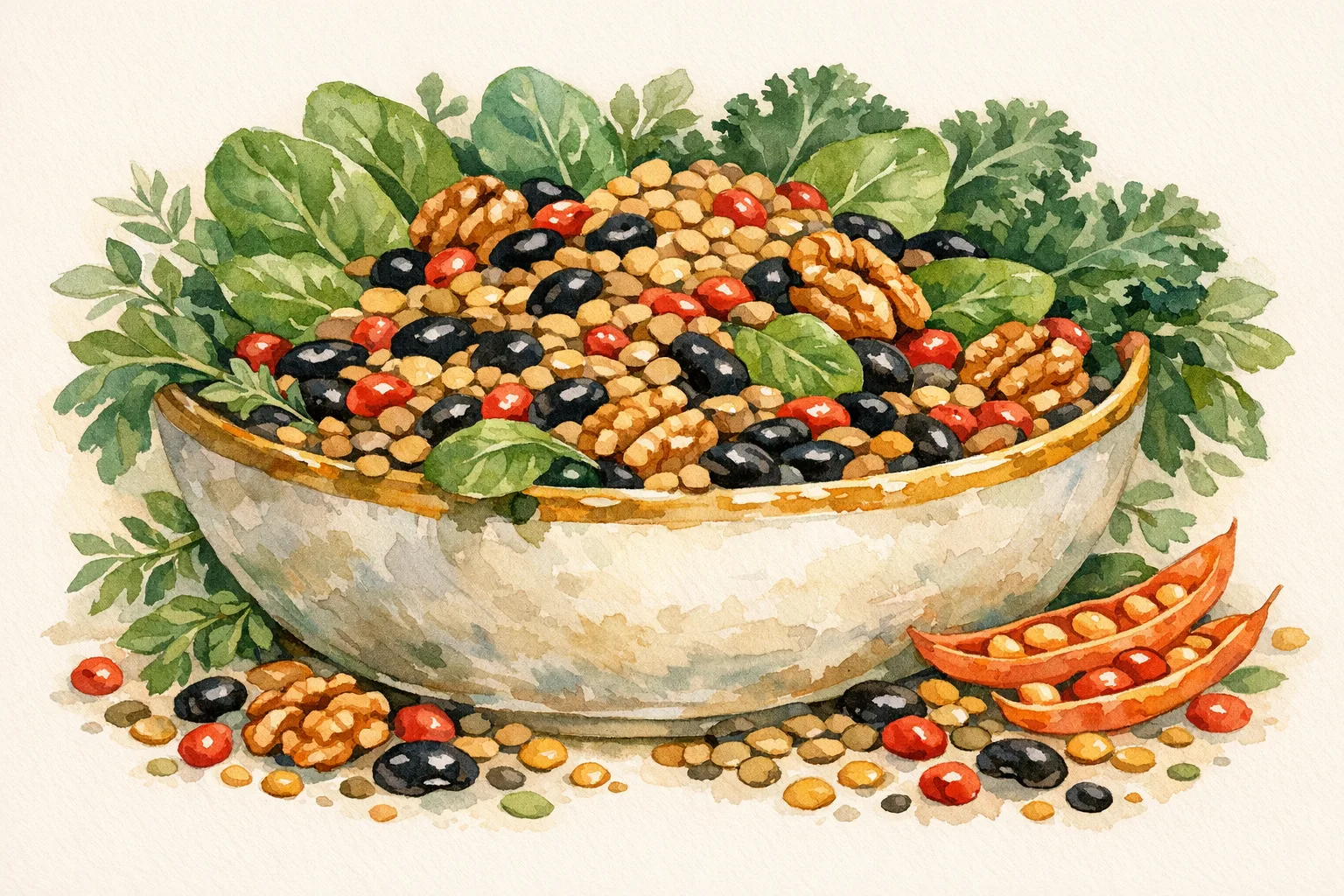
Replacing just 5% of daily calories from animal protein with plant protein - beans, lentils, nuts - was linked to a 50% lower risk of ovulatory infertility, according to the same Harvard research. You do not need to go vegetarian. Swapping two meat meals a week for a lentil dish or a handful of walnuts is enough to start moving the needle.
A study by Karayiannis et al., published in Human Reproduction in 2018, followed 244 women going through IVF in Athens, Greece. Women under 35 with the highest Mediterranean diet scores had nearly double the clinical pregnancy rate - and more than double the live birth rate - compared to women with the lowest scores. A meta-analysis published in PMC (PMC11356935) reviewing seven studies and 2,321 women found that higher Mediterranean diet scores were consistently linked to better pregnancy outcomes across multiple trials.
The Mediterranean diet is vegetables, fruit, whole grains, legumes, fish, olive oil, and less red meat.
A study published in Cell Metabolism found that ultra-processed food consumption before conception affects not just fertility but early embryo development - for both partners.
Conventional vs Natural - What Both Paths Actually Offer
| Factor | IVF | Food and Lifestyle First |
|---|---|---|
| Average cost per cycle (US) | $12,000 - $25,000 | Near zero additional cost |
| Ovulatory infertility risk reduction | Bypasses the problem | Up to 66% lower risk (Harvard NHS II) |
| Mediterranean diet impact on live birth rate | Not addressed | Up to 2.64x higher live birth rate (Karayiannis et al., Human Reproduction) |
| Side effects | Hormonal, physical, emotional | None documented for whole-food changes |
| Time to see results | Each cycle is immediate | 3 months of consistent dietary change |
| Sperm quality impact | Not addressed by IVF | Significant improvements documented (see below) |
IVF is not the enemy. For some women, it is the right answer. But it makes no sense to skip the step that is free, has no side effects, and has the best evidence base in reproductive nutrition.
The Top Fertility Foods - What to Eat and Why
For Women
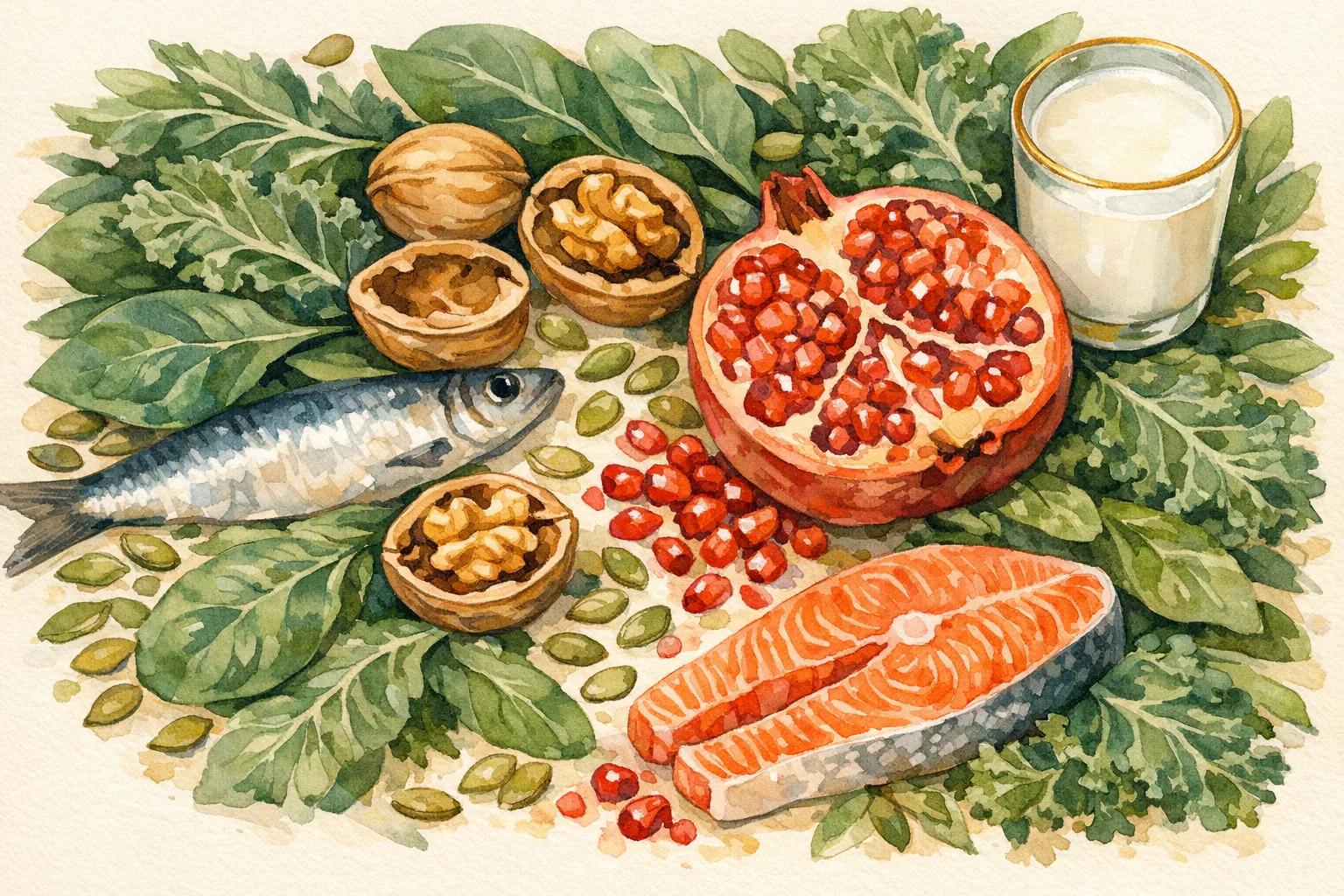
Beans and lentils. Plant protein protects ovulation in a way animal protein does not. Beans also carry iron, folate, and fiber - all of which support hormonal balance. One cup of black beans gives you about 20% of your daily iron from a plant source.
Walnuts. A handful a day provides omega-3 fatty acids that reduce inflammation and support normal egg release. Omega-3s also contribute to progesterone production in the second half of your cycle.
Leafy greens. Spinach and kale are rich in folate - one of the few universally agreed-upon fertility nutrients. It supports DNA integrity in both eggs and sperm, and it reduces risk during early pregnancy. 400 micrograms a day is the standard recommendation.
Full-fat dairy. The Harvard fertility diet found that full-fat dairy - including one glass of whole milk - was associated with lower ovulatory infertility risk, while low-fat dairy was associated with a higher risk.
Pomegranate. Rich in polyphenols that protect eggs from oxidative damage.
For Men
Infertility is a male factor issue 50% of the time.
Walnuts. A 42-gram daily handful for 3 months improved sperm concentration and active sperm count in clinical study participants compared to controls.
Oysters and pumpkin seeds. Both are high in zinc, essential for testosterone production and sperm development. A large meta-analysis confirmed that zinc supplementation raises semen volume and improves multiple markers of sperm health.
Fatty fish (salmon, sardines, mackerel). Omega-3 DHA is a primary structural component of sperm cell membranes. It affects how sperm swim and how well they are shaped.
Leafy greens. Folate protects sperm DNA integrity. Men who eat more leafy greens have been shown to have higher sperm concentrations in research cited by the University of Chicago Medicine.
Foods to Avoid
Trans fats. Found in fast food, packaged baked goods, and hydrogenated oils. Research published in PMC (PMC10766669) links trans fats to reduced sperm concentration, lower ejaculate volume, and disrupted hormone levels in men. In women, they increase insulin resistance, which disrupts egg release.
Sugar-sweetened drinks. Harvard Health research found that sodas and energy drinks are linked to lower fertility in both men and women.
Ultra-processed foods. Heavy consumption is linked to reduced male fertility and slower early embryo growth.
White bread, white rice, and refined carbohydrates. These spike blood sugar rapidly and increase insulin resistance, which disrupts the hormonal signaling that triggers egg release - a particular concern for women with polycystic ovary syndrome.
The Ayurvedic Approach to Fertility Foods
I grew up in a village in Himachal Pradesh, India. Among all the relatives I knew growing up - aunts, cousins, neighbors - nobody had trouble getting pregnant. There was no IVF clinic in the village. There were older women who knew things. And there was food.
Ayurveda focuses on building reproductive tissue - called Shukra Dhatu - from the ground up. Your reproductive health is the endpoint of everything you eat. If any step in that chain is weak, reproductive tissue suffers. That is why Ayurveda focuses on digestion first. A weak digestive fire means nutrients do not absorb, no matter how healthy the meal. This maps closely onto modern gut-microbiome research showing links between gut health and hormonal regulation.
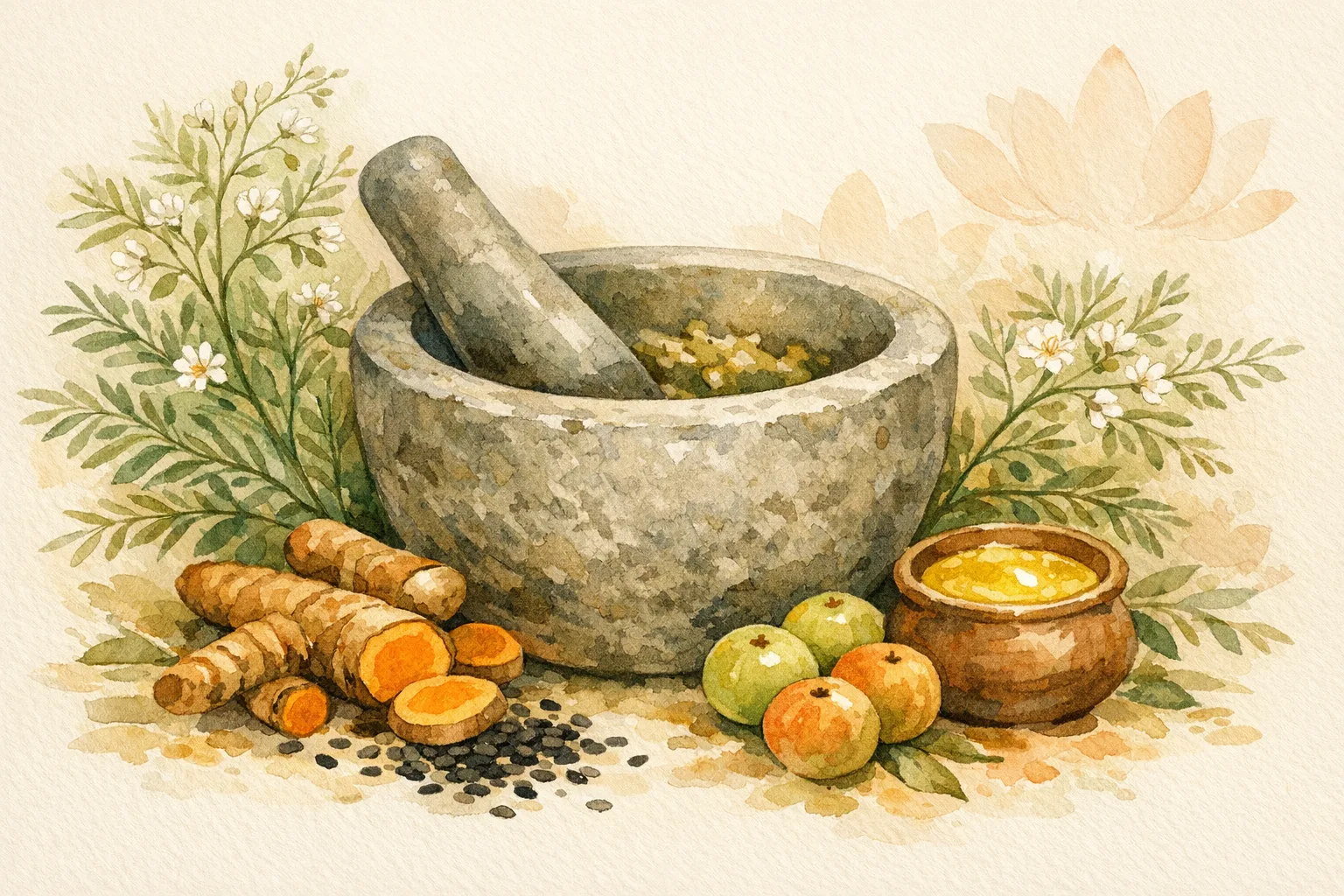
Ghee is the foundation of the Ayurvedic fertility diet. It carries fat-soluble vitamins A, D, E, and K into the body and supports the gut lining. Modern research confirms it contains butyric acid, which supports gut health and is relevant for women with insulin resistance and polycystic ovary syndrome.
Shatavari - known in Sanskrit as the Queen of Herbs - is the most studied Ayurvedic herb for female reproductive health. A randomized, double-blind, placebo-controlled trial registered with the Clinical Trials Registry of India (CTRI//10/074660) tested Shatavari root extract in 70 women with polycystic ovary syndrome over 12 weeks. The results, published in Frontiers in Endocrinology, showed that Shatavari significantly reduced follicular cyst count, increased endometrial thickness, and reduced psychological stress scores compared to placebo - all p-values below 0.05.
Ashwagandha has a strong evidence base for men. A pilot study published in PMC (PMC3863556) found that 675mg of Ashwagandha root extract daily for 90 days produced a 167% increase in sperm count, a 53% increase in semen volume, and a 57% improvement in sperm motility in men with low sperm counts, compared to placebo. A more recent randomized, double-blind, placebo-controlled trial published in Frontiers in Reproductive Health (Khanna et al.) found improvements of 36% in semen volume, 38% in total sperm count, and 87% in total sperm motility.
Urad dal (black split gram) is prescribed in classical Ayurvedic texts specifically to build reproductive tissue. It is also one of the highest plant protein sources available - which puts it directly in line with the Harvard fertility diet findings on plant protein and ovulation.
Turmeric reduces inflammation and improves how well hormone signals reach their target tissues. Amla (Indian gooseberry) is one of the highest natural sources of vitamin C and protects eggs and sperm from oxidative damage. Black sesame seeds are rich in zinc, iron, and plant compounds that help regulate hormone levels and support a healthier menstrual cycle.
What You Can Do Today
One - swap one animal protein meal per day for a plant protein meal. Lentils, beans, chickpeas, tofu. Do that consistently for 90 days and you are following the single most impactful finding from the Harvard fertility research.
Two - remove trans fats and ultra-processed food from your kitchen. Check the ingredient labels on packaged food. If you see partially hydrogenated anything, put it back. This matters for both you and your partner.
Three - add one Ayurvedic staple to your daily routine. Shatavari for women. Ashwagandha for men. These are not expensive. They are widely available. And they now have randomized controlled trial data behind them.
If you want a full program that restructures your diet, your environment, your stress levels, and your relationship around conception - that is what we do at Omioni. We come to your home. People move to Las Vegas just to do this program.
Call us at 972-282-3930 to find out if it is right for you. The call is just a conversation.
Frequently Asked Questions
How long does it take for fertility foods to make a difference?
Eggs take about 90 days to mature before they are released. Sperm take about 74 days to fully develop. That means dietary changes you make today will affect the eggs and sperm that will be ready 2-3 months from now. Most research uses 90-day windows to measure outcomes. That is the timeline to commit to.
Does my partner need to change his diet too?
Yes. Infertility is a male factor issue in roughly half of all cases. Sperm quality is directly affected by diet - trans fats, ultra-processed food, and low zinc intake all damage sperm. Both of you changing your diet at the same time doubles the impact.
Are Ayurvedic herbs safe to take while trying to conceive?
Shatavari and Ashwagandha have both been tested in double-blind, placebo-controlled trials with no serious adverse events reported. That said, always speak with a qualified practitioner before adding any herb to your routine, especially if you are already on hormonal medications. Some herbs interact with fertility drugs.
What is the best single food to add for female fertility?
The Harvard research points to plant protein as the highest-impact single change for women with ovulatory infertility. Adding one serving of lentils or beans daily - and reducing one serving of red meat - is the most supported swap in the literature. Folate from leafy greens is a close second.
I have been told my egg reserve is low. Can food help?
Low egg reserve (low AMH) is a real challenge, and diet alone will not increase the number of eggs you have. But egg quality is directly affected by oxidative stress, inflammation, and nutrient availability. CoQ10, omega-3s, folate, and antioxidant-rich foods like pomegranate and amla all target egg quality. Diet is not a guarantee, but it is a lever.
Is the Mediterranean diet the same as the Ayurvedic fertility diet?
They share a lot of ground. Both emphasize whole, unprocessed foods, avoid trans fats, and include legumes, vegetables, and healthy fats. The main difference is that Ayurveda adds specific therapeutic herbs (Shatavari, Ashwagandha, Amla), prioritizes digestive health as the foundation, and personalizes food recommendations based on your specific hormonal pattern.
Can fertility foods replace IVF?
For some women, yes. For others, they are an important first step that improves the odds of IVF working if it becomes necessary. The Karayiannis study published in Human Reproduction found that women with high Mediterranean diet scores had significantly better IVF outcomes than women with low scores. Start with food. See where it takes you. Then make more expensive decisions with a body that is better prepared.
Medical Disclaimer: This article is for informational purposes only and does not constitute medical advice. The content is not intended to diagnose, treat, cure, or prevent any condition. Individual results vary. Always consult a qualified healthcare provider before making changes to your diet, supplement routine, or fertility treatment plan. Omioni's program is a wellness and lifestyle service, not a medical procedure.