You have been trying. For months, maybe years. You have tracked your cycle, cut out alcohol, taken the supplements, and done the tests. You have sat in waiting rooms and smiled at pamphlets. You have spent money you did not plan to spend. And you are exhausted.
You deserve honest answers. Real information about what the research says food actually does to your fertility - and what you can do about it today.
Here is the most important thing to know: diet is one of the most powerful fertility tools that exists. And it is almost never the first thing a fertility clinic talks to you about.
One in Six Couples Will Struggle
The World Health Organization estimates that 1 in 6 people globally experience infertility. That is 17.5% of all adults. In the United States, about 1 in 5 couples trying for their first pregnancy will have difficulty.
These numbers are getting worse, not better. Sperm counts have dropped roughly 50% over the last 50 years. Female fertility issues affect an estimated 80 million women worldwide.
The causes are complicated. Age matters, hormones matter, and genetics plays a role too. But one factor keeps coming up in study after study: what you eat.
What the Fertility Industry Offers First
When you go to a fertility clinic, the first conversation is usually about procedures. Blood tests and hormone panels come first, then scans. Then medications. Then, often quickly, IVF.
IVF is a procedure where eggs are removed from your body, fertilized in a lab, and transferred back into your uterus. It works for some people. It is sometimes the right answer.
But the numbers are harder than the brochures suggest.
According to SART - the Society for Assisted Reproductive Technology - IVF success rates drop sharply with age. For women under 35, live birth rates per transfer sit around 40 to 50%. For women 35 to 37, that drops to around 30 to 35%. For women 38 to 40, it falls to roughly 20 to 26%. For women over 40, it can drop into single digits.
That means most women over 38 doing IVF with their own eggs do not bring home a baby from a single cycle.
A single IVF cycle in the United States costs $15,000 to $20,000 - before medications. Research published in a peer-reviewed fertility journal found that median costs over 18 months of IVF treatment reached $24,373 per person. With donor eggs, that number rises to over $38,000.
And the conversation about what you eat? That often comes last, if at all.
What the Research Shows
The Harvard Study That Changed Everything
The most important fertility diet study ever conducted tracked 17,544 women for eight years. It was led by Dr. Jorge Chavarro at Harvard School of Public Health, and published in the journal Obstetrics and Gynecology (PubMed ID: 17978119).
Women in the group with the highest "fertility diet" scores had a 66% lower risk of ovulatory infertility compared to women with the lowest scores. Two thirds fewer cases of the most common form of female infertility - just from eating differently.
The diet that protected fertility was not complicated. It meant eating less trans fat and fast-digesting carbohydrates. More plant protein instead of animal protein. More high-fat dairy instead of low-fat. More iron from plants. More folate from food and supplements.
Dr. Chavarro found that every additional healthy change a woman made lowered her risk further. Women who made five changes saw the greatest reduction in risk.
The Mediterranean Diet and IVF
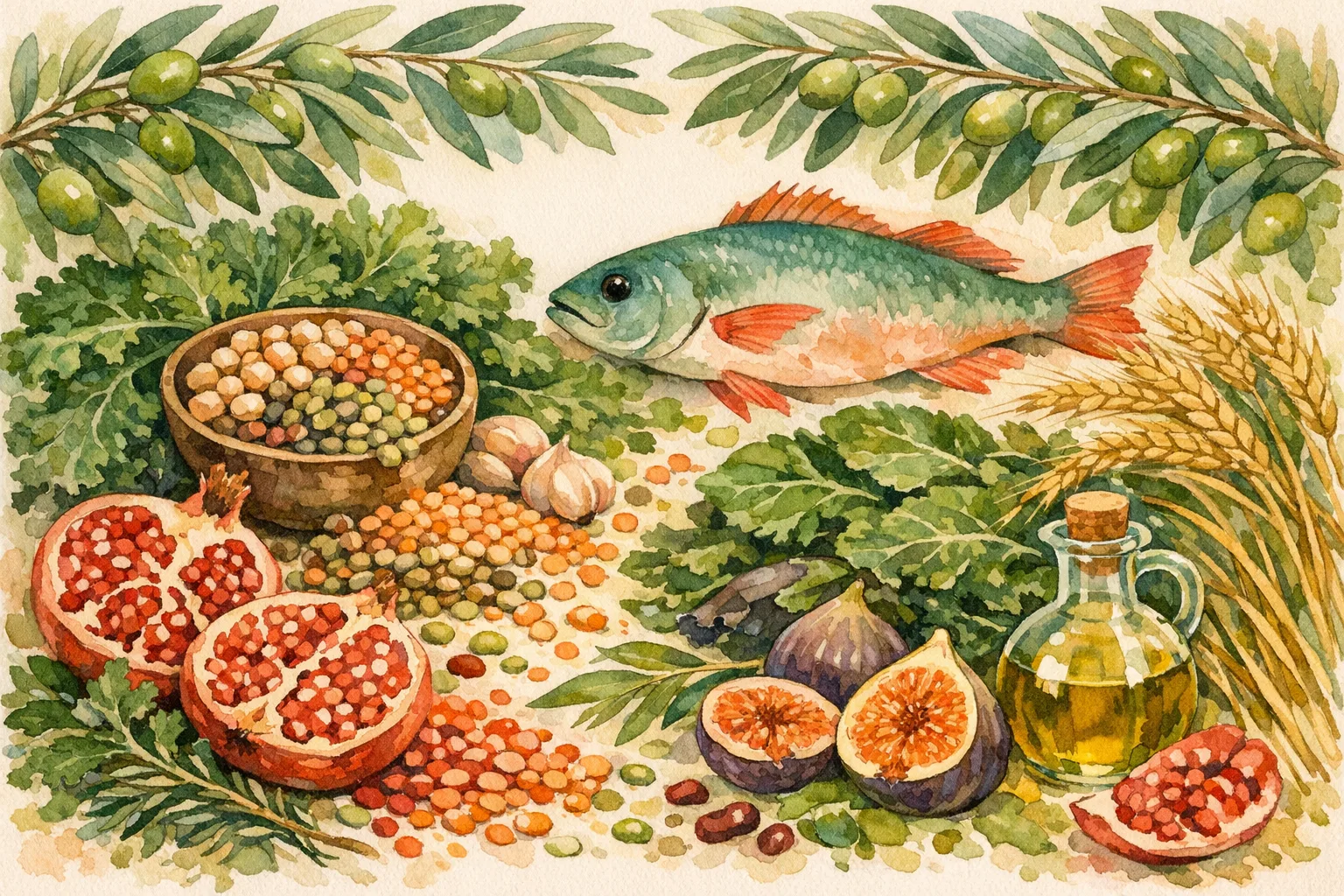
A study published in Human Reproduction followed 244 non-obese women through IVF treatment at a clinic in Athens, Greece. Women who ate more vegetables, fruit, whole grains, legumes, fish, and olive oil - and less red meat - had a 65 to 68% greater likelihood of achieving a successful pregnancy and live birth compared to women who ate the least like this.
Among women with the highest Mediterranean diet scores, 50% got pregnant. Among those with the lowest scores, only 29.1% did. Same clinic. Same procedures. Different food.
A literature review published in MDPI Nutrients looked at seven observational studies covering 2,321 women going through fertility treatment. Three of those studies found that higher Mediterranean diet scores were linked to improved clinical pregnancy rates and live birth rates.
The Ultra-Processed Food Study That No One Is Talking About
In March of this year, the journal Human Reproduction published a landmark study from Erasmus University Medical Center in Rotterdam. It was the first study ever to look at how ultra-processed food consumption in both partners affects fertility and early embryo development.
Researchers followed 831 women and 651 male partners through the Generation R Study, tracking their diets before conception and into early pregnancy.
In men, higher ultra-processed food consumption was linked to a higher risk of subfertility and longer time to pregnancy. In women, the same dietary pattern was associated with smaller embryos and smaller yolk sacs at seven weeks - the structure that nourishes the embryo in early development.
In high-income countries, ultra-processed foods now make up 50 to 60% of daily food intake. Packaged snacks, fast food, sweetened drinks, processed cereals - all of it.
Supplements - What Actually Has Evidence
Folic acid is the only fertility supplement with truly unequivocal clinical evidence. The recommendation from the World Health Organization is 0.4mg per day, started at least three months before trying to conceive. Research by Dr. Chavarro's team, published in Fertility and Sterility, found that multivitamin use was linked to lower risk of ovulatory infertility.
CoQ10 has growing evidence for egg quality support. A systematic review and meta-analysis published in PMC (PMC11321116) analyzed six randomized controlled trials covering 1,529 women with low ovarian reserve. CoQ10 pretreatment improved ovarian response and embryo quality. The evidence is not conclusive enough for formal clinical guidelines yet, but it is strong enough to discuss with your doctor.
Omega-3 fatty acids have observational evidence linking them to better egg quality. Vitamin D deficiency is common and worth testing.
Conventional vs Natural - An Honest Comparison
| Approach | Success Rate | Cost | Timeline | Side Effects |
|---|---|---|---|---|
| IVF under 35 | 40-50% live birth per transfer (SART) | $15,000-$20,000 per cycle | Weeks to months per cycle | Bloating, mood changes, OHSS risk, emotional toll |
| IVF age 38-40 | 20-26% live birth per transfer (SART) | Same cost, often more cycles needed | Same | Same, higher cancellation rate |
| IVF over 40 | Under 7% with own eggs (SART) | Often requires donor eggs at $38,000+ | Same | Higher |
| Fertility diet (Mediterranean pattern) | 50% vs 29% in IVF cohort study (Human Reproduction) | Minimal - grocery substitution | 3-6 months to see meaningful change | None documented |
| Fertility diet (Chavarro pattern) | 66% lower risk of ovulatory infertility (Harvard Nurses Study) | None | Weeks to months | None |
Sometimes IVF is the right path. But dietary change costs almost nothing, has no side effects, and has strong research behind it. Diet is where most people should start, not finish.
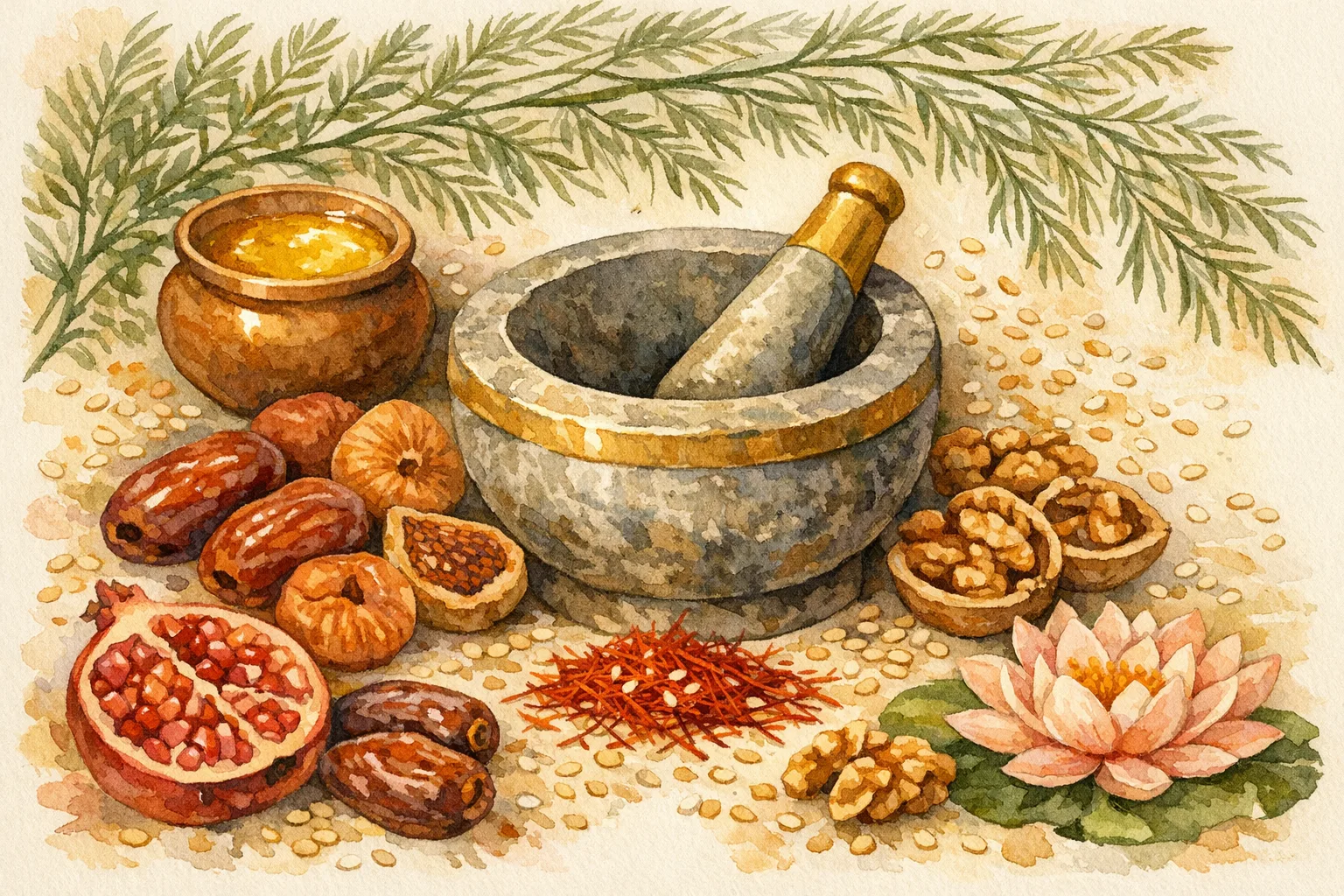 fertility foods including ghee in a clay pot, saffron threads, dates, walnuts, Shatavari herb fronds, and a stone mortar and pestle with lotus flower accent" style="max-width:100%;height:auto;border-radius:0.75rem" loading="lazy" />
The Ayurvedic Approach
Ayurveda is a 5,000-year-old system of medicine from India. Its understanding of reproductive health is detailed and specific.
Growing up in Himachal Pradesh, in the foothills of northern India, I never once saw a relative struggle to conceive. The older women in the village were the first consultation - not because they had degrees, but because they had knowledge passed through generations. My mother still works in women's health, helping village girls understand their cycles and their bodies.
Ayurveda identifies four conditions required for conception: the timing must be right, the body must be clean and nourished, the fluids and hormones must be balanced, and the egg and sperm must be healthy. All four are addressed through food, herbs, routine, and the removal of what Ayurveda calls ama - toxins that build up from poor digestion and processed eating.
The Ayurvedic concept of Shukra Dhatu - reproductive tissue - teaches that it is the last tissue in the body to be nourished. It is built slowly, from the quality of everything you eat. You cannot build strong reproductive tissue on fast food, cold leftovers, and sugar. You build it with ghee, whole grains, nuts, saffron, warm milk, dates, and foods that are easy for your body to absorb fully.
The Harvard finding that full-fat dairy lowers ovulatory infertility risk? Ghee has been a fertility food in Ayurveda for 5,000 years. The Erasmus study finding that ultra-processed foods harm embryo development? Ayurveda has always said that leftover, frozen, and artificial foods create toxicity in the body.
Shatavari - What the Clinical Trials Show
The most important Ayurvedic fertility herb is Shatavari - the root of Asparagus racemosus. In Ayurveda, it has been used for thousands of years to support hormone balance, uterine health, and egg quality.
A double-blind, placebo-controlled trial published in Frontiers in Endocrinology (PMC12971452) tested Shatavari root extract in 70 women aged 20 to 40 with polycystic ovary syndrome over 12 weeks. Women taking Shatavari showed significant reductions in perceived stress scores, decreased follicle count toward normal range, and increased endometrial thickness. Only 11.4% of participants reported any side effects, all mild.
A separate randomized controlled trial published in Food and Nutrition Research studied 60 women with polycystic ovary syndrome over 84 days. Women taking a standardized Asparagus racemosus extract showed reductions in ovarian volume, cyst size, and follicle number, alongside improved insulin sensitivity and hormonal levels.
A third clinical trial in Sri Lankan Ayurveda, published in the International Journal of Pharmaceutical Sciences and Research, treated 60 polycystic ovary syndrome patients with Shatavari. All groups showed reduced ovarian volume after treatment. Endometrial thickness improved across participants.
Three independent clinical trials. All pointing in the same direction.
Ayurvedic Fertility Foods - The Practical List
Ghee (clarified butter): Deeply nourishing to reproductive tissue. Contains fat-soluble vitamins A, D, E, and K2. Aligns with the Harvard finding that high-fat dairy lowers ovulatory infertility risk.
Saffron: Used in Ayurveda as a direct tonic to the reproductive tract. Rich in antioxidants. Add a few threads to warm milk.
Walnuts: A clinical study cited by UCLA Health found that 42 grams of walnuts daily for 3 months improved sperm concentration, motility, and vitality.
Dates and figs: Natural sugars, iron, and minerals. Ayurveda considers these among the most direct foods for building reproductive vitality.
Pomegranate: High in antioxidants and polyphenols. Supported by both Ayurvedic tradition and modern antioxidant research.
Sesame seeds: Rich in calcium, zinc, and healthy fats. Zinc is essential to both egg maturation and sperm health.
Leafy greens: Folate, iron, and antioxidants. Harvard research and WHO guidelines specifically identify folate deficiency as a driver of ovulatory problems.
Turmeric with black pepper: Anti-inflammatory. Black pepper increases the absorption of curcumin dramatically.
What Ayurveda Says to Avoid
Cold food. Leftover food. Frozen food. Heavily processed food. Excess caffeine. Ayurveda teaches that what disrupts digestion disrupts everything downstream - including reproductive tissue. The Erasmus study confirmed this with data: ultra-processed foods harm both male fertility and early embryo development.
What You Can Do Today
1. Remove ultra-processed foods first. Cut the packaged snacks, sweetened drinks, and fast food. Replace them with real, whole food.
2. Move toward a Mediterranean eating pattern. Vegetables, fruit, legumes, whole grains, nuts, olive oil, fatty fish. Less red meat. Less sugar.
3. Switch low-fat dairy to full-fat. The Harvard Nurses' Health Study found that full-fat dairy was associated with lower ovulatory infertility risk. Low-fat dairy was associated with higher risk.
4. Start folic acid now. 0.4mg per day. Start at least three months before you plan to conceive.
5. Add Shatavari. If you have polycystic ovary syndrome, irregular cycles, or hormonal imbalance, discuss Shatavari with a qualified Ayurvedic practitioner. Three separate clinical trials show it can reduce cyst formation, improve endometrial thickness, and lower stress.
6. Add CoQ10 if egg quality is a concern. Six randomized controlled trials involving 1,529 women with low ovarian reserve found that CoQ10 pretreatment improved ovarian response and embryo quality. Typical use is 200 to 600mg daily, started two to three months before trying to conceive. Discuss with your doctor.
7. Eat warm, fresh, easy-to-digest food. Ayurveda holds that reproductive tissue is built from the quality of your digestion. Cold, raw, leftover, and processed food creates internal toxicity. Warm, freshly cooked, whole food nourishes the body from the inside out.
When to Consider Each Path
If you are under 38, have been trying for less than a year, and have no known structural issues - blocked tubes, severe endometriosis, significant male factor infertility - a three-to-six month intensive diet and lifestyle overhaul is a reasonable first step. It costs almost nothing. It has no side effects. It can meaningfully improve the quality of the eggs and sperm going into any future IVF cycle.
If you are over 40, have been trying for more than two years, or have a specific diagnosis that requires intervention, IVF or medical treatment may be necessary. In that case, a fertility diet is still worth doing - it can improve outcomes even within an IVF cycle, as the Human Reproduction study from Athens showed.
Ayurvedic practices and natural conception support are not opposed to conventional medicine. They can run alongside it.
At Omioni, we run an intensive, in-home fertility program based in Las Vegas. We restructure your entire life around conception - food, supplements, stress, sleep, your environment, your relationship, your daily routine. People travel to Las Vegas to do this program. If you want to understand what that looks like, call us at 972-282-3930.
Frequently Asked Questions
What is a fertility diet?
A fertility diet is a way of eating that research links to better ovulation, egg quality, and conception rates. It was first identified in the Harvard Nurses' Health Study, which followed 17,544 women for eight years. The pattern includes more plant protein, full-fat dairy, low-glycemic carbohydrates, folate, and iron - and less trans fat, refined sugar, and processed food.
How long does it take for a fertility diet to work?
Eggs take roughly 90 days to mature. That means three months of dietary changes are the minimum needed to see meaningful impact on egg quality. Most practitioners recommend starting at least three to six months before actively trying to conceive, or before beginning IVF.
Does the Mediterranean diet actually improve pregnancy rates?
A study published in Human Reproduction followed 244 women through IVF treatment. Women who ate a Mediterranean-style diet had a 65 to 68% greater likelihood of achieving pregnancy and live birth. A literature review of seven studies covering 2,321 women found consistent associations between Mediterranean diet adherence and improved clinical pregnancy and live birth rates.
Is Shatavari safe to take when trying to conceive?
A double-blind, placebo-controlled trial published in Frontiers in Endocrinology found Shatavari root extract to be safe in 70 women with polycystic ovary syndrome over 12 weeks. Only 11.4% reported any side effects, all mild. No serious adverse events were recorded. Always discuss any supplement with a qualified practitioner before taking it, particularly if you are already on fertility medications.
What foods should I avoid if I am trying to get pregnant?
The research points to three main categories to reduce: trans fats, refined carbohydrates and sugary drinks, and ultra-processed foods. The Harvard Nurses' Study found that trans fats and fast-digesting carbs were directly linked to ovulatory infertility. The Erasmus University study found that ultra-processed foods were linked to reduced male fertility and slower early embryo development.
Does diet help with low egg count or low ovarian reserve?
Diet directly affects egg quality, even if it cannot increase egg count. CoQ10 has been studied in six randomized controlled trials in women with low ovarian reserve. A meta-analysis published in PMC found that CoQ10 pretreatment improved ovarian response and embryo quality. Diet also affects the hormonal environment in which remaining eggs develop.
Is Ayurveda just a trend or does it have clinical evidence?
Ayurveda is a 5,000-year-old medical system. Shatavari has been tested in at least three separate randomized trials for polycystic ovary syndrome with consistent positive findings on ovarian morphology, hormonal balance, and endometrial thickness. Many of Ayurveda's core dietary recommendations - whole fats, anti-inflammatory foods, avoiding processed foods - align precisely with what modern reproductive science has independently confirmed.
Medical disclaimer: This article is for informational purposes only and does not constitute medical advice. Always consult a qualified healthcare provider before making changes to your diet, supplement routine, or treatment plan. Individual results vary. Nothing in this article is a guarantee of any specific medical outcome.