
You Are Not Broken
You have been trying for months. Maybe years. You have tracked your cycle, taken the tests, and sat in waiting rooms that never seem to move fast enough. You have cried more than you planned. And somewhere along the way, someone handed you a stack of paperwork and a price list for IVF.
You deserve better than that.
IVF is sometimes exactly what a woman needs - but what you do before you try to conceive matters enormously. The research is clear. The body is not a machine that either works or does not. It responds to systems. And systems can be prepared.
This article is about preconception health - what it is, what the research actually shows, and what you can do starting today.
What Is Preconception Health
Preconception health is how you care for your body and life in the weeks and months before conception. According to a review published in Cureus (PMC10386873), preconception care refers to interventions provided to individuals or couples before conception to optimize health and well-being, aiming to improve pregnancy outcomes and the future child's health.
What you eat, how you sleep, how stressed you are, what chemicals you are exposed to, whether your relationship feels safe, and how connected you feel to your own body - all of this shapes your fertility before a single egg is retrieved or a single needle is used.
Eggs take about 90 days to mature. Sperm take 70 to 90 days to develop. That means what you do right now is shaping the cells that will become your child. The 90 days before conception are active preparation - not a waiting room.
How Common Is This Problem
Infertility affects up to 15 percent of reproductive-age couples, according to a literature review published in Nutrients (MDPI, PMC11356935).
I see this pattern constantly - women are sent directly to a fertility clinic. They are assessed, given options, and handed a path forward. But a structured, whole-life preconception protocol is rarely part of that conversation.
A qualitative study published in ScienceDirect found that women broadly felt the limited focus on health before pregnancy downplays its importance compared to what happens after pregnancy begins. That gap is exactly where women fall through.
What the Research Shows
Lifestyle changes increase natural pregnancy rates
A meta-analysis published in Human Reproduction by researchers at Monash University (PubMed ID 28854715) found an increased natural pregnancy rate with an odds ratio of 1.87 compared to no intervention. That means nearly double the natural conception rate just from changing how you live.
Diet is one of the strongest tools you have
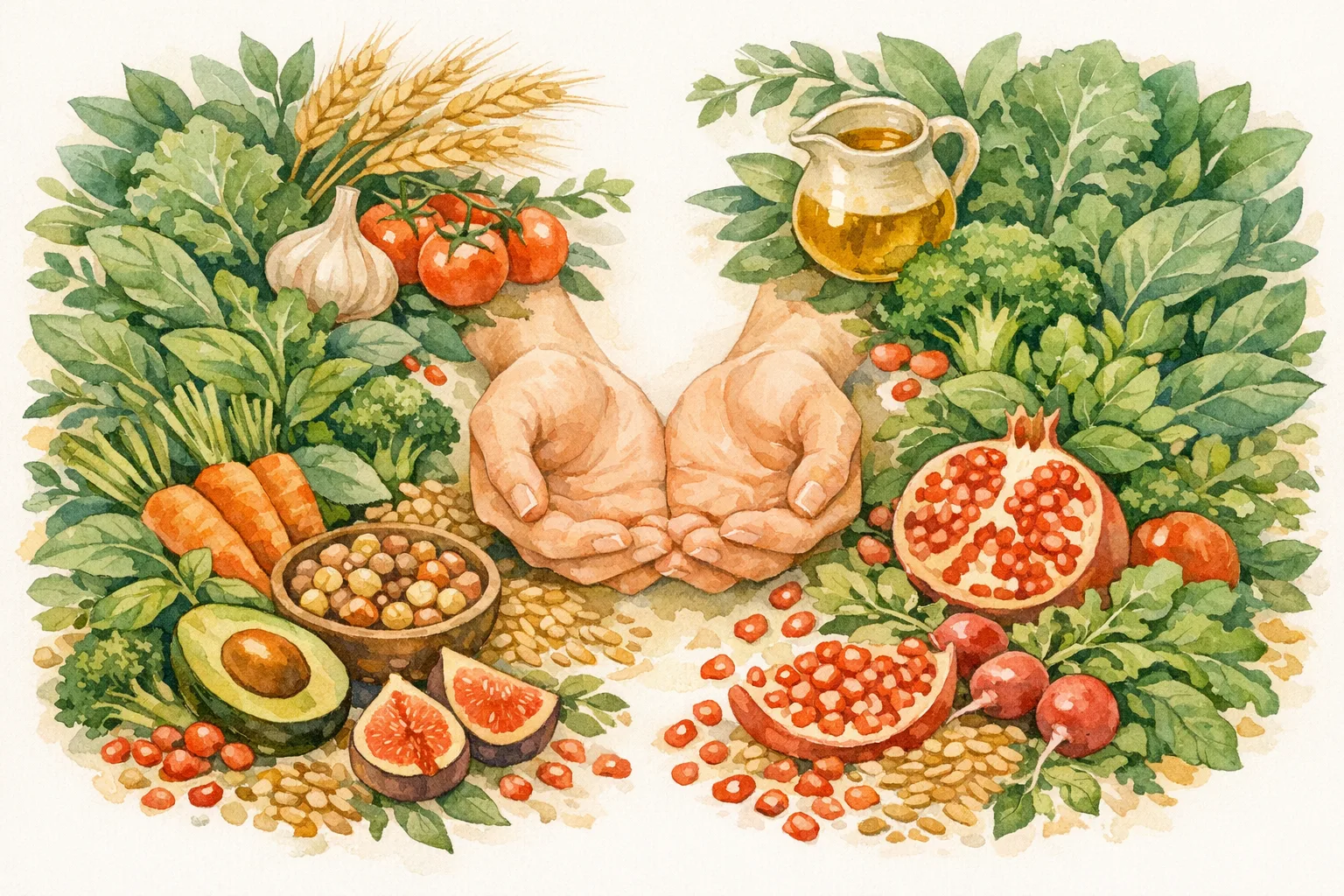
A prospective cohort study published in Human Reproduction by Karayiannis et al. followed 244 women undergoing their first IVF cycle in Athens, Greece. Women who ate more vegetables, fruit, whole grains, legumes, and olive oil - and less red meat - had a 65 to 68 percent greater likelihood of achieving a successful pregnancy and live birth compared to women who ate the least this way.
Among women under 35, every five-point improvement in diet score was linked to a 2.7 times higher likelihood of a live birth.
A review in Nutrients (PMC11356935) found live birth rates of 48.8 percent in women with high diet scores versus 26.6 percent in women with low diet scores - from the same IVF clinic, with the same procedures.
Reducing inflammatory foods matters
A systematic scoping review published in Human Reproduction Update (Oxford Academic) found that reducing trans fatty acids and processed food intake was associated with improvements in live birth rates and clinical pregnancy rates. The review noted that following anti-inflammatory dietary approaches has little to no associated risk and offers a plausible set of possible benefits - making it one of the safest first steps any woman trying to conceive can take.
Stress damages egg quality
A review published in Biomedicine and Pharmacotherapy (PubMed ID 29635129) found that psychological stress increases reactive oxygen species in the body, which damages ovarian tissue and egg quality. Stress-related hormonal disruption is one of the most underestimated drivers of unexplained infertility.
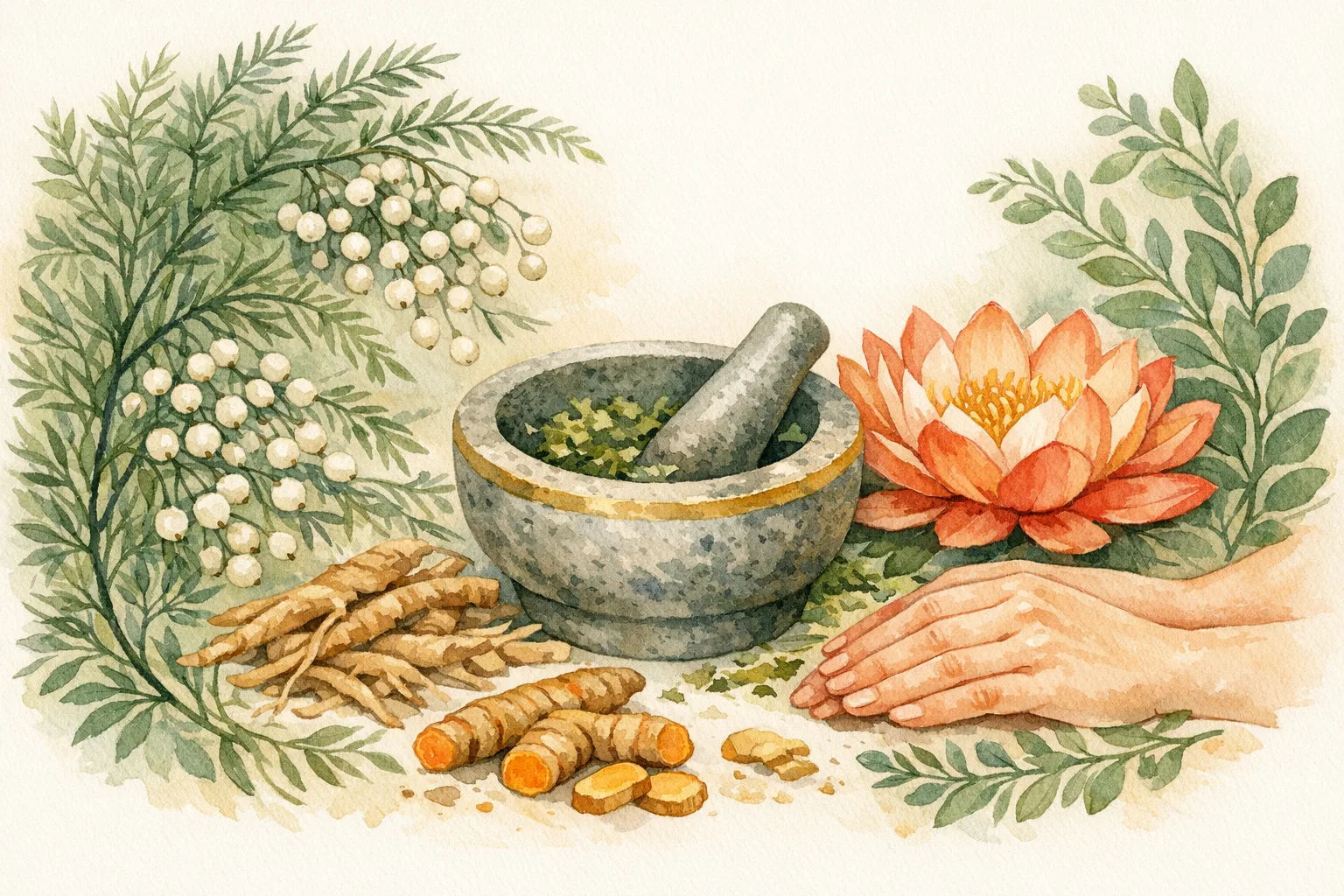
The review proposed that Shatavari (Asparagus racemosus) - a root herb used in Ayurvedic medicine - may reduce this oxidative stress and improve hormonal balance, follicular development, and egg quality.
Conventional vs Natural - An Honest Comparison
| Factor | IVF (Conventional) | Preconception Protocol (Natural) |
|---|---|---|
| Cost per cycle | $15,000 - $30,000 (U.S. Dept of Health and Human Services, via Stanford SIEPR) | Call 972-282-3930 to discuss |
| Average cycles needed | 2.3 - 2.7 cycles (FertilityIQ data) | Varies by person |
| Live birth rate with low ovarian reserve | 11.5% per cycle (PMC5313363, Korean study, 50 patients) | Dependent on protocol and case |
| Diet requirement | Not usually addressed | Central to the protocol |
| Stress addressed | Rarely | Yes - core component |
| Timeline | Weeks to first cycle | 90-day preparation recommended |
| Invasiveness | Injections, egg retrieval, sedation | No procedures, no needles |
IVF is not wrong. For some women it is the only path. But according to FertilityIQ data, the average IVF patient spends close to $50,000 because most women require multiple cycles. I see this every week - women spending that kind of money without ever having been offered a structured natural preparation protocol first.
The Ayurvedic Approach
Ayurveda is a 5,000-year medical system from India that has always centered reproductive preparation as a distinct medical priority. The Ayurvedic framework identifies four elements required for conception - the right timing, a healthy reproductive environment, proper nourishment, and a strong seed (egg and sperm). All four are actively prepared.
What research says about Ayurvedic herbs
A systematic review published in PMC (PMC11073818) looked at Ayurvedic interventions for infertility across PubMed and Scopus. The review found that Ayurvedic management provides a promising, cost-effective avenue for addressing infertility disorders and showed positive outcomes in sperm quality, conception rates, and overall reproductive health.
The same review found that Ayurvedic preconception care can enhance the success rates of IVF - particularly after previous unsuccessful attempts.
A case report published in the Journal of Natural Remedies (DOI 10.18311/jnr/2023/33425, Manjula et al.) documented a 32-year-old woman with primary infertility who had failed multiple rounds of assisted reproductive procedures. After a course of Ayurvedic preconception care, she successfully conceived through IVF in a subsequent cycle. Her symptoms - hot flashes, nausea, and irritability from repeated ovarian stimulation - resolved during the Ayurvedic protocol.
Shatavari and hormonal balance
Shatavari (Asparagus racemosus) is the most well-researched Ayurvedic herb for female fertility. A randomized, double-blind, placebo-controlled trial registered with the Clinical Trials Registry of India (CTRI//10/074660) tested Shatavari root extract in 70 women with PCOS over 12 weeks. At the end of the trial, Shatavari significantly reduced psychological stress, decreased abnormal follicle count, and produced no serious adverse events.
A second randomized, double-blind, multicenter trial published in Cureus found that Shatavari decreased stress and balanced hormonal levels. Estradiol and progesterone levels improved significantly in the Shatavari group.
A review published in Current Nutrition Reports (Springer) summarized: Shatavari shows promise for fertility enhancement due to its active compounds like saponins and flavonoids. Larger clinical trials are still needed to confirm all findings.
What Ayurvedic preconception care actually includes
Ayurvedic preconception care involves purification of the body, dietary preparation for both partners, management of reproductive tissue health, and mental and emotional readiness. It is whole-life medicine - not a single herb in a capsule.
At Omioni, this approach is built into a complete in-home program. No clinic. No waiting room. No procedures. We come to you in Las Vegas and restructure your entire life around conception - food, environment, sleep, stress, relationships, and spiritual grounding. Everything together, for 90 days.
A Note From Kritika
Growing up in Chamba, Himachal Pradesh, my mother taught me about diet and hormones before I even started my periods. She works at a women's health nonprofit in India today, helping village girls understand their cycles and their fertility. Reproductive health was never a mystery in our home - it was kitchen knowledge, passed from mother to daughter.
When I came to America, the first thing I noticed was how quickly people reach for something external when the body needs attention. In India, your first move when something is off is to look at what you have been eating, how you have been sleeping, what has been weighing on your mind. Health is tended at home, not outsourced to a building.
That is what we do at Omioni. We bring the home back into the conversation.

What You Can Do Today
You do not need to wait for an appointment to start. These steps are supported by the research cited in this article:
- Remove trans fats and processed foods. The Human Reproduction Update scoping review linked these directly to worse fertility outcomes. This change costs nothing and starts today.
- Eat more plants, whole grains, and healthy fats. The Karayiannis et al. study showed 65-68% better outcomes in women who followed a Mediterranean-style diet. You do not need to be perfect. You need to shift the direction.
- Reduce your stress load - specifically before bed. Chronic stress damages egg quality through oxidative stress. Sleep, boundaries, and rest are fertility medicine.
- Start at least 90 days before you try. Eggs mature over 90 days. What you do now shapes the egg that will be fertilized three months from now.
- Ask about Shatavari. If you have hormonal imbalance or PCOS, the clinical evidence for Shatavari is growing. Speak with a practitioner before starting.
- Get off your phone in the bedroom. Your body needs signals that it is safe, calm, and ready.
When to Consider Each Path
Natural preconception preparation is the right first step for most women who are under 38, who have not had multiple failed IVF cycles, and who have not been told they have a structural issue requiring surgical correction.
IVF may be the right path if you have blocked fallopian tubes, a partner with severe sperm abnormalities, or a specific chromosomal condition that requires genetic screening of embryos before transfer.
Most women try IVF before they try a structured 90-day preconception protocol. The order of operations matters. A body that is better prepared responds better to everything - including IVF, if that becomes the next step.
Frequently Asked Questions
What is preconception health and why does it matter?
Preconception health is how you prepare your body, mind, and life before trying to conceive. According to a review in Cureus (PMC10386873), the period before conception is one of the most critical windows for shaping pregnancy outcomes and child health. Eggs take 90 days to mature. What you do now changes what those eggs look like in three months.
How long before trying to conceive should I start a preconception protocol?
At minimum, 90 days. This is how long it takes for both eggs and sperm to fully mature. Research published in Human Reproduction (Karayiannis et al.) found that diet changes made before IVF treatment - not during - were associated with significantly better live birth rates.
Can diet really change my chances of getting pregnant?
Yes. The data from a prospective study of 244 women undergoing IVF in Athens (Karayiannis et al., Human Reproduction) showed that women with the highest diet scores had a 48.8% live birth rate. Women with the lowest scores had a 26.6% live birth rate. Same clinic, same procedures, different food.
What is Shatavari and is it safe?
Shatavari is Asparagus racemosus, a root herb used in Ayurvedic medicine for women's reproductive health for over 3,500 years. A randomized, double-blind, placebo-controlled trial registered in India (CTRI//10/074660) found it safe across 12 weeks with no serious adverse events in 70 women with PCOS. It significantly reduced stress and improved hormonal markers. It should still be taken under practitioner guidance, especially if you are pregnant or on other medications.
Do I have to choose between Ayurveda and IVF?
No. A case report in the Journal of Natural Remedies (Manjula et al., 2023, DOI 10.18311/jnr/2023/33425) documented a woman who failed multiple IVF cycles and then, after a course of Ayurvedic preconception care, successfully conceived through IVF. Ayurvedic preparation can improve how your body responds to IVF - or it may allow you to conceive naturally first.
How much does IVF cost and what are the success rates with low ovarian reserve?
The U.S. Department of Health and Human Services estimates a single IVF cycle costs $15,000 to $20,000, and can exceed $30,000 with donor eggs (Stanford SIEPR). FertilityIQ data shows the average patient undergoes 2.3 to 2.7 cycles, putting total spend close to $50,000. For women with low ovarian reserve specifically, a study published in PMC (PMC5313363) found a clinical pregnancy rate of 11.5% per cycle.
What does Omioni's program include?
Omioni offers Natural IVF - an intensive, in-home fertility program based in Las Vegas. No procedures. No needles. Our team comes to your home and restructures your entire life around conception: food, exercise, vitamins, environment, mental health, digital habits, relationships, and spiritual grounding. Everything at once, for 90 days. To discuss whether you are a good fit, call 972-282-3930.
Ready to Start
Call Omioni at 972-282-3930. We are based in Las Vegas. People move here to do this program. You do not have to go to a clinic. We come to you.
Learn more about Ayurvedic herbs for fertility and natural approaches to low AMH.
Medical Disclaimer: This article is for informational purposes only and does not constitute medical advice. The information provided is not a substitute for professional medical consultation, diagnosis, or treatment. Always consult a qualified healthcare provider before making changes to your health regimen, starting new supplements, or discontinuing existing treatments. Individual results vary. No specific medical outcomes are promised or guaranteed.