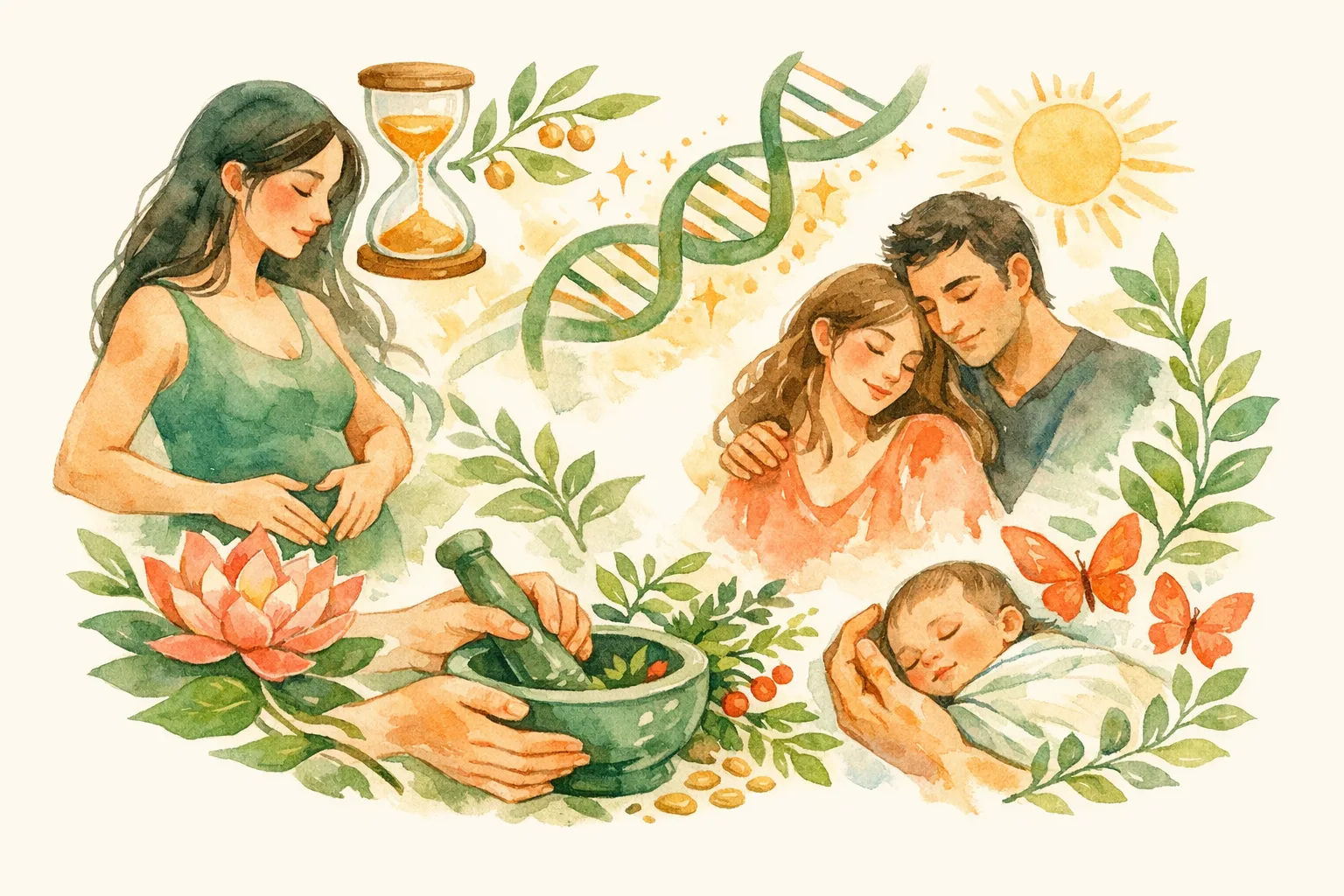
You have been trying. Month after month. You have read everything. You have tracked everything. And still, nothing.
Maybe a doctor told you your egg quality is low. Maybe you got a number - a low AMH score, a high FSH level - and it felt like a verdict. Maybe you are already deep into fertility treatments and wondering why they are not working the way you hoped.
You are not alone. And you are not broken.
The clinical research is starting to make something very clear - and traditional medicine has understood it for a long time. The energy inside your eggs matters. When that energy is low, conception becomes harder. There is a nutrient at the center of that energy production. It is called CoQ10.
Why Egg Quality Declines - and What CoQ10 Has to Do With It
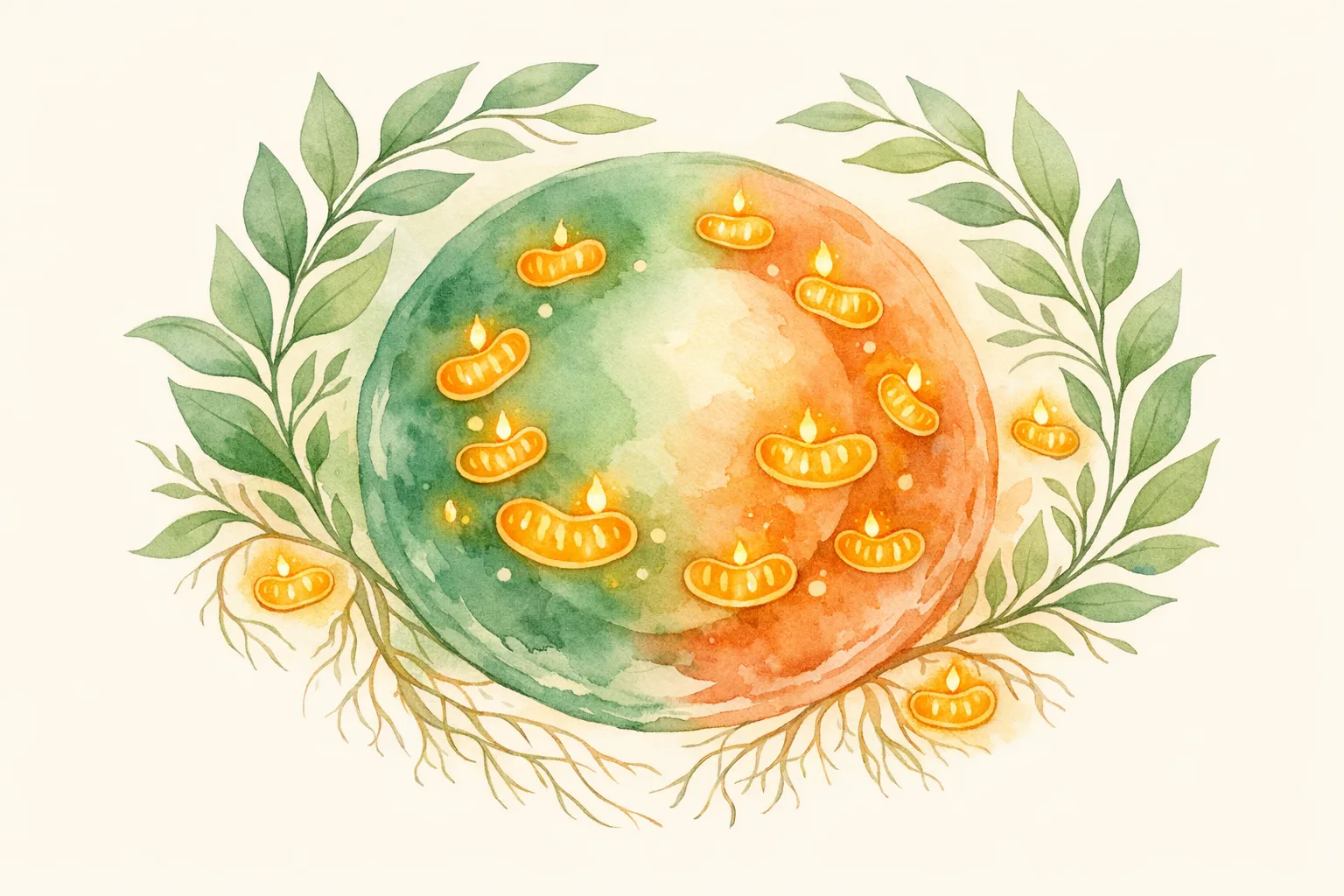
Your eggs contain more mitochondria than almost any other cell in your body. Mitochondria convert food into a fuel called ATP, which powers everything - including the egg maturing, being fertilized, and dividing into a healthy embryo.
As you age, mitochondrial function drops. A landmark study published in Aging Cell by Ben-Meir and colleagues confirmed this directly: aging of the female germ line is accompanied by mitochondrial dysfunction, and the enzymes responsible for CoQ10 production were found to be diminished in oocytes of older females in both mouse and human subjects.
Your body makes less CoQ10 as you age. Your eggs have less fuel. Less fuel means lower egg quality, more chromosomal errors, and a harder time getting - and staying - pregnant.
The same study found something hopeful: the age-related decline in egg quality and quantity could be reversed by the administration of CoQ10.
A separate review published in Frontiers in Cell and Developmental Biology explained how this works at the molecular level. CoQ10 is a crucial component of the mitochondrial electron transport chain, facilitating ATP production. For women experiencing ovarian dysfunction or those of advanced age, CoQ10 supplementation may aid in restoring mitochondrial function and improving energy metabolism in oocytes. The mechanisms include restoring oxidative stress imbalances and preventing DNA damage and oocyte death.
One in vitro study found that adding CoQ10 to egg culture media elevated the expression of Sirt1, a key regulator of mitochondrial function, and improved first polar body extrusion rates from 48.9% to 75.7%. That is a maturation rate that nearly doubled.
What the Research Shows
For Women with Low Egg Reserve
A meta-analysis published in Annals of Medicine looked at six controlled trials involving 1,529 women with diminished egg reserve. The review found that CoQ10 pretreatment was significantly linked to higher clinical pregnancy rates (odds ratio 1.84), more optimal embryos, and more eggs retrieved per cycle. Women taking CoQ10 were nearly twice as likely to achieve a clinical pregnancy.
Researchers also found that oral administration of CoQ10 before fertility treatment resulted in a significant reduction in miscarriage rate compared to control groups.
The total days and total dose of fertility stimulation drugs used in women with diminished egg reserve undergoing IVF could be remarkably reduced with CoQ10 pretreatment - and the outcomes were not lowered. Fewer drugs. Same or better results.
A Randomized Controlled Trial in Women with Poor Ovarian Reserve
A randomized controlled trial published in Reproductive Biology and Endocrinology (PMC5870379) studied 169 young women with poor egg reserve - specifically, women under 35 with low anti-Mullerian hormone. The intervention was 200 mg of CoQ10 three times a day for 60 days, after which IVF was started in the first menstrual cycle following completion of treatment.
CoQ10 pretreatment resulted in significantly lower fertility drug requirements and higher estrogen levels. Women in the CoQ10 group had increased eggs retrieved, a higher fertilization rate of 67.49%, and more high-quality embryos.
For Women Undergoing IVF Generally
A separate systematic review and meta-analysis (PMC7550497) pooled five randomized controlled trials involving 449 women going through assisted reproduction. Women taking CoQ10 had clinical pregnancy rates of 28.8%, compared to 14.1% in the control group.
One important limitation: the effect of CoQ10 on live birth rate is still unclear, and recommending CoQ10 for all women remains controversial until more large-scale trials are completed.
For Men
In about half of all cases, the challenge comes from the male side too.
A meta-analysis published in PubMed (PMID 40878114) reviewed nine studies involving 781 men with unexplained poor sperm. CoQ10 supplementation significantly improved sperm concentration, volume, total motility, and seminal CoQ10 levels. It also significantly increased clinical pregnancy odds, with an odds ratio of 6.02, particularly when used for over three months.
Conventional vs Natural - What the Numbers Say
| Factor | Standard IVF (Low Reserve) | CoQ10 Pretreatment |
|---|---|---|
| Clinical pregnancy rate | Baseline | ~84% higher odds (OR 1.84) |
| Eggs retrieved per cycle | Baseline | +1.3 more per cycle |
| Miscarriage risk | Higher in DOR patients | Significantly reduced |
| Fertility drug dose needed | Full dose | Reduced by ~330 IU |
| Cycle cancellation | Higher | Reduced significantly |
| Cost of supplement | - | $8-32/month (generic brands) |
| Live birth rate difference | Not yet proven | Not yet statistically confirmed |
CoQ10 is not just a natural option - it is also an evidence-based tool that can improve IVF outcomes. It does not have to be either/or.
The Ayurvedic Approach - Ancient and Modern Are Saying the Same Thing
I grew up in a village family in Himachal Pradesh where nobody struggled to get pregnant. My great-grandmother was the woman the whole village came to for health consultations. She lived to 115. My mother works with women's health to this day. This is not something I read in a book.
When I look at what CoQ10 does scientifically - restoring mitochondrial energy, protecting eggs from oxidative damage - I see what Ayurveda has always described with Ojas and Agni. Ojas is the body's vital reproductive essence. Agni is the metabolic fire that converts what you eat into life force. CoQ10 restores what Ayurveda would call the fire inside the cell.
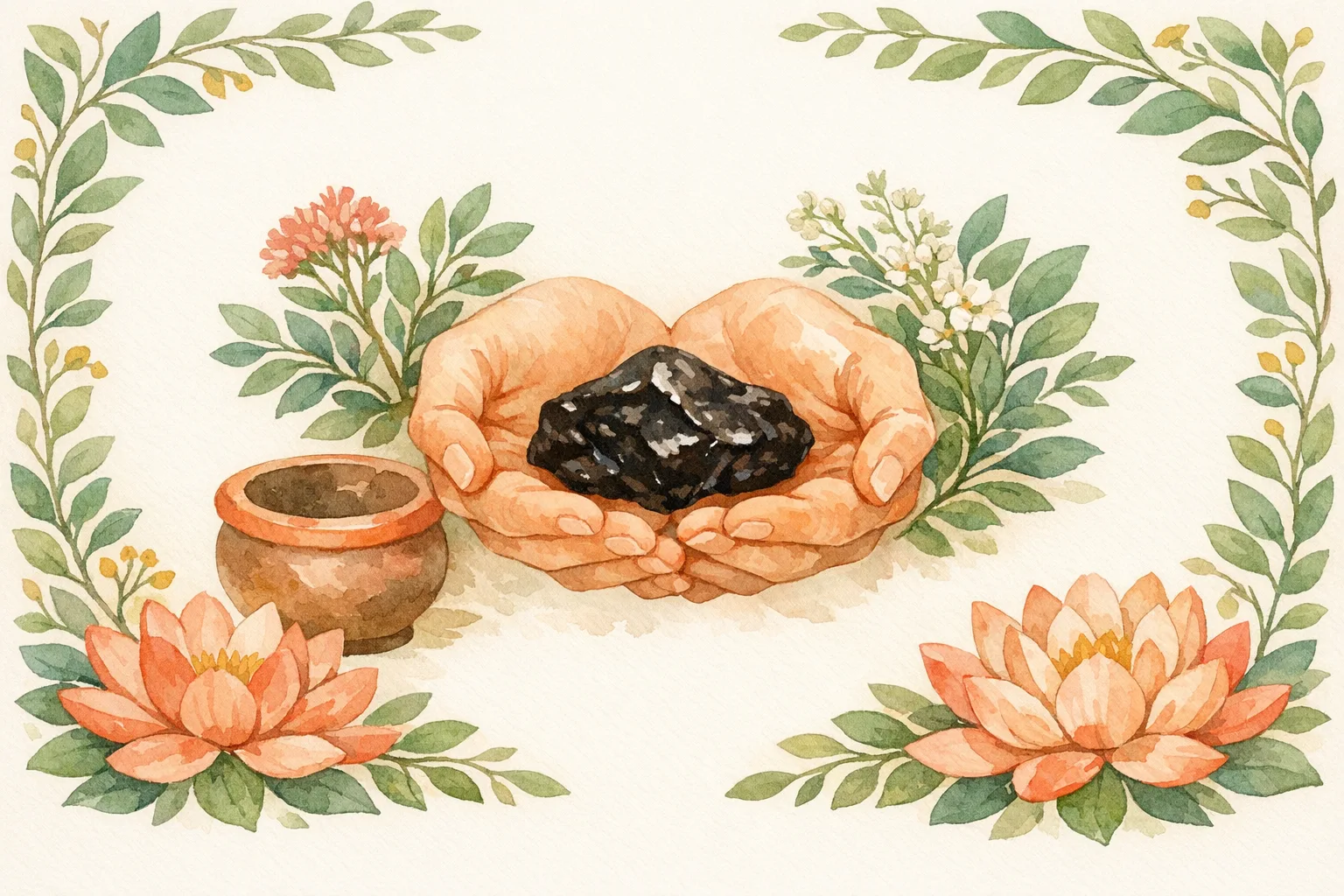
The Ayurvedic herb Shilajit - a resin collected from Himalayan rock faces, classified as a Rasayana or rejuvenating tonic - has been used for thousands of years to nourish reproductive tissue. It works through fulvic acid, which has a direct relationship with how the body produces and uses cellular energy. A clinical study published in Andrologia (PubMed ID 20078516) found that men with low sperm counts who took processed Shilajit for 90 days showed a 61.4% increase in total sperm count, a 23.5% increase in serum testosterone, and significant improvements in sperm motility and morphology.
If you want to understand more about how we think about the full picture of reproductive nourishment, read our piece on Ayurvedic herbs for fertility.
The Ayurvedic Approach - Specific Protocol
- CoQ10 for women with low egg reserve: 600 mg per day over 60 days has been shown to be more effective in enhancing ovarian response to fertility stimulation drugs in women with diminished egg reserve.
- CoQ10 for standard fertility support: 200 mg per day for 30 to 35 days before ovarian stimulation is advised for women with normal egg reserve undergoing standard IVF cycles.
- Timing matters: Improvements in retrieved eggs and high-quality embryos were more pronounced when pretreatment began three months before fertility stimulation.
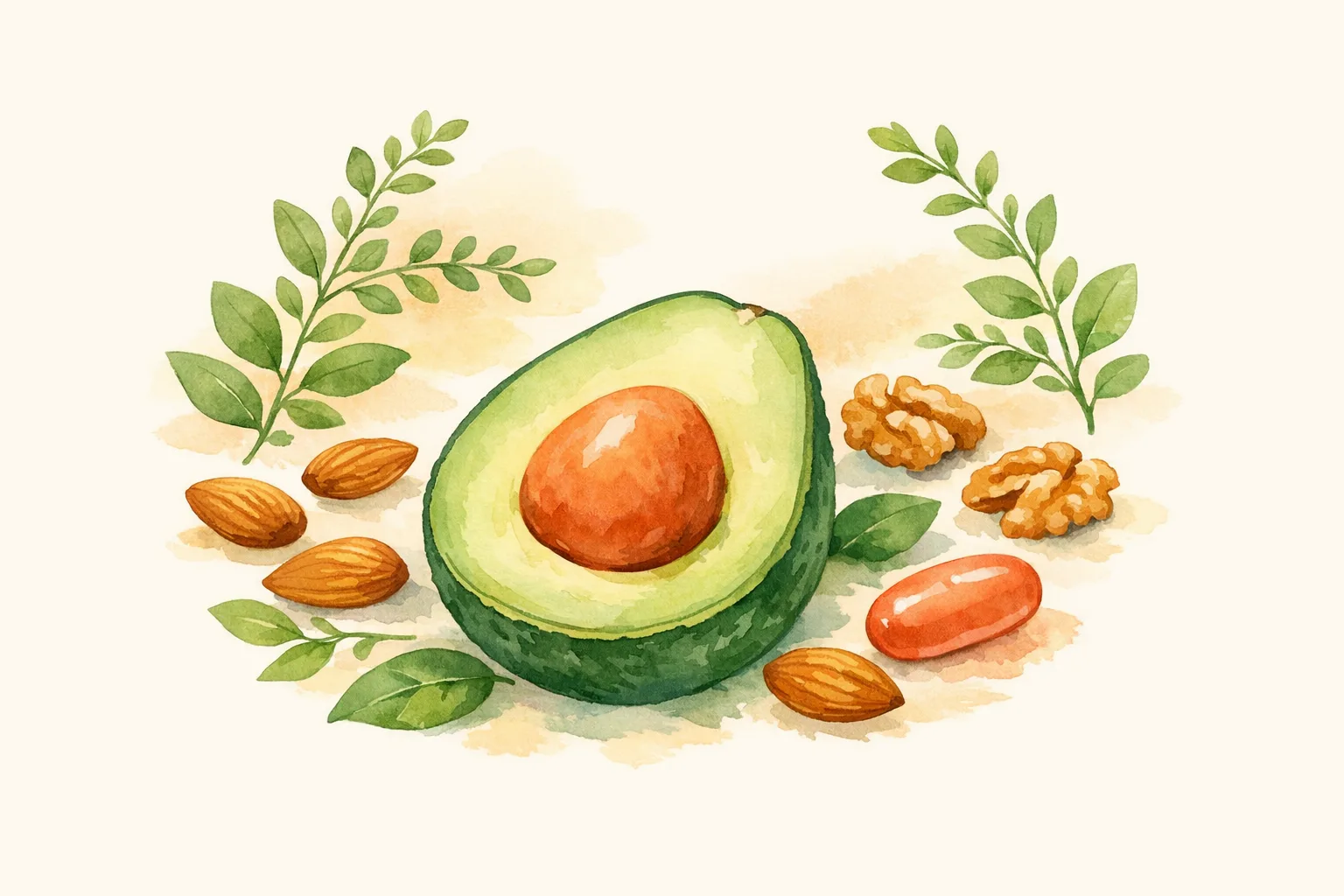
- Take it with fat: CoQ10 is fat-soluble and absorbs better when taken with a meal containing healthy fats - ghee, avocado, coconut, nuts.
- Shilajit as a complement: The fulvic acid in Shilajit supports mitochondrial function in a way that is complementary to CoQ10's direct electron transport role.
- Stop after a positive test: Most practitioners recommend stopping after a positive pregnancy test because long-term safety during pregnancy has not yet been fully studied.
What You Can Do Today
- Start CoQ10 now. If you are under 35 and trying to conceive, 200-300 mg per day is a good starting point. If your egg reserve is low or you are over 35, 600 mg per day is what the clinical trials used. Take it with a meal containing healthy fat.
- Give it three months. An egg takes about 90 days to mature. Commit to the full window.
- Look at your whole environment. The food you eat, the sleep you get, the stress hormones flooding your body, the toxins in your grooming products - all of this affects egg quality. Supplements work inside systems. The system matters.
- Stop eating processed food. Women are born with a finite number of eggs that decline without renewing, accelerating at around age 35. What you eat either speeds that process up or slows it down.
- Read Rebecca Fett's book "It Starts With the Egg." A molecular biologist who synthesized the clinical research on egg quality supplementation. It aligns closely with the studies described in this article.
You can also explore our article on natural approaches for low AMH and the Ayurvedic fertility diet.
When to Consider Each Path
If you have been trying for under a year, are under 35, and have not yet been diagnosed with a specific condition, start with foundational support - CoQ10, diet, stress reduction, sleep - for a full 90-day window before moving to more aggressive intervention.
If you have been told your egg count is low, your reserve is diminished, or you have had failed IVF cycles, 600 mg per day for 60-90 days before your next retrieval is supported by the clinical evidence reviewed here.
If you are considering IVF, CoQ10 can be used alongside it. The evidence shows it reduces the amount of fertility drugs needed, improves egg and embryo quality, and may reduce cycle cancellation rates.
FAQs
How long does CoQ10 take to work for fertility?
An egg takes roughly 90 days to fully mature. Most clinical trials used CoQ10 for 60-90 days before egg retrieval or timed conception. You need at least two to three months for CoQ10 to meaningfully affect the eggs you will ovulate.
Which form of CoQ10 is better for fertility - ubiquinone or ubiquinol?
Ubiquinone is the oxidized form. Ubiquinol is the form your cells use directly. Some research suggests ubiquinol may absorb more easily, especially in older women. Most clinical trials used ubiquinone at higher doses. Both forms appear to work. Consistent daily dosing matters more than the form.
What dose of CoQ10 should I take for fertility?
Clinical trials used 200 mg per day for women with normal egg reserve. Women with diminished egg reserve used 600 mg per day. Talk to your doctor before starting, especially if you take other medications. Take it with a meal containing healthy fat for better absorption.
Can my partner take CoQ10 too?
Yes. The meta-analysis published in PubMed (PMID 40878114) found that CoQ10 significantly improved sperm concentration, motility, and clinical pregnancy odds. 200-400 mg per day for a minimum of three months is what the trials used.
Is CoQ10 safe to take during pregnancy?
Most specialists recommend stopping after a positive pregnancy test. Not because it is known to be harmful - but because long-term pregnancy safety has not been fully studied. Use it during the pre-conception window, then pause once you get a positive result.
Does CoQ10 work for PCOS?
Some clinical evidence supports its use in women with PCOS. The systematic review of 449 women included a subgroup of PCOS patients and found the pregnancy rate benefit held for that group. Research in this area is ongoing.
Can CoQ10 replace IVF?
For some women, improving egg quality through CoQ10 and lifestyle changes is enough to conceive naturally or improve IVF results significantly. For others, IVF remains the right path. CoQ10 is not a replacement for IVF in cases of blocked tubes, severe male factor infertility, or other structural causes. It is a powerful tool in the foundational support layer that everyone should have before or alongside more aggressive treatments.
Ready to Take the Next Step?
If you have been trying to conceive and you are ready to restructure your life around making it happen - not just take a supplement and hope - we want to talk to you.
Omioni is a natural, in-home fertility program based in Las Vegas. We come to your home. We work with your diet, your environment, your relationships, your mental state, and your spiritual grounding. We have seen this work for women who were told they were out of options.
Call us: 972-282-3930
Or visit omioni.com to learn more about our approach.
Medical Disclaimer: This article is for informational purposes only and does not constitute medical advice. CoQ10 supplementation should be discussed with your healthcare provider before starting, particularly if you have a medical condition or take prescription medications. No supplement can guarantee conception. The statistics cited in this article reflect results from clinical studies and do not represent guaranteed outcomes for any individual.