The Number That Stopped Us Cold
A 90-day trial gave men with low sperm count a standardized ashwagandha root extract. Their sperm count went up 167%. Semen volume went up 53%. Sperm movement went up 57%. All three results were statistically significant at p < 0.0001.
The source is a double-blind, placebo-controlled study published in a peer-reviewed journal - Ambiye et al., PMC3863556.
If you have been told male-factor infertility is your barrier to conception, that number is worth understanding.
Who This Article Is For
This is for couples who have been handed a diagnosis - low sperm count, PCOS, unexplained infertility, stress-related hormonal disruption - and want to know what the research actually says before spending tens of thousands on procedures.
It is also for couples already in IVF who want to know whether ashwagandha could support their outcomes.
We are not going to tell you ashwagandha cures infertility. It does not. But the evidence for specific populations is stronger than most doctors know.
What Is Ashwagandha
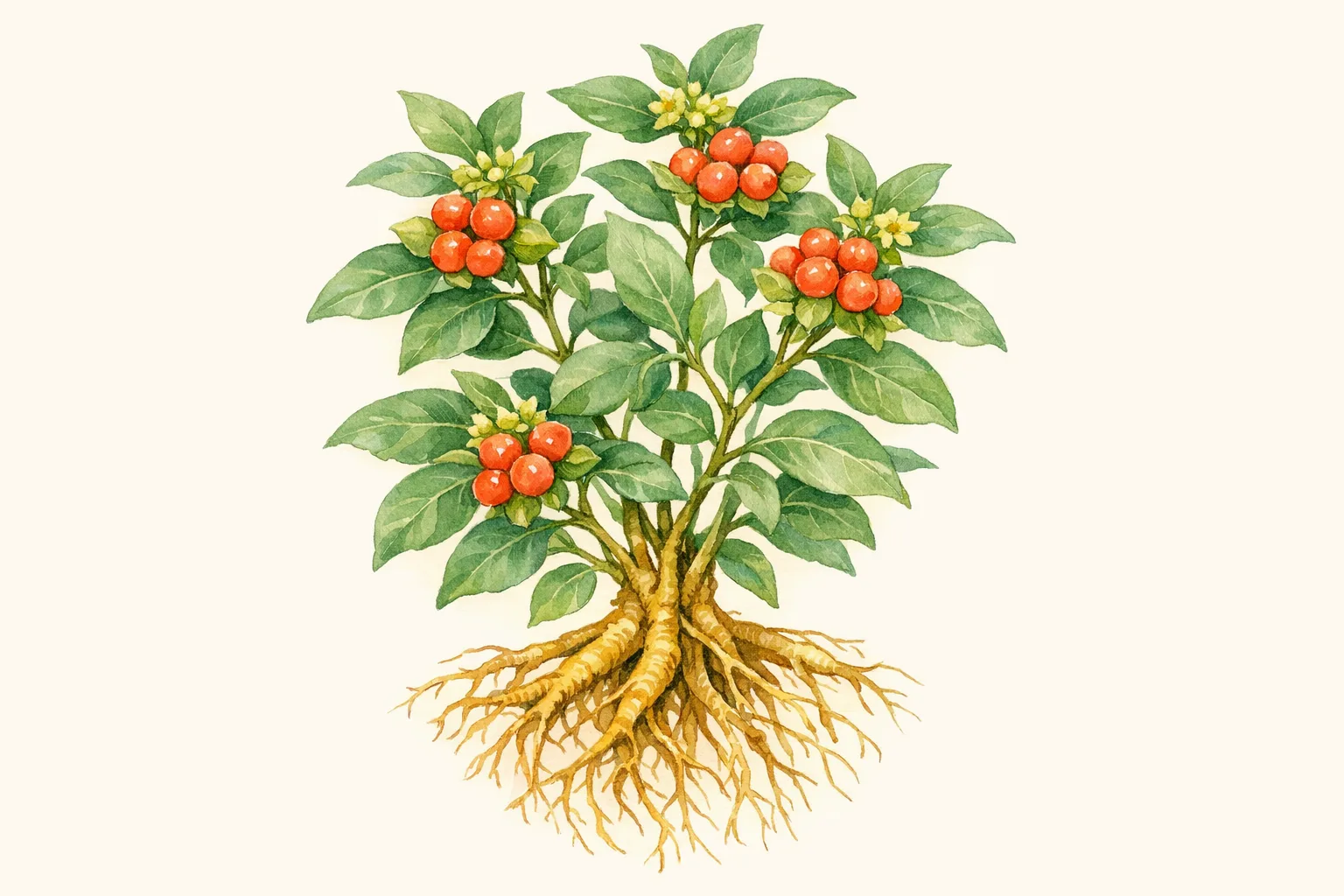
The botanical name is Withania somnifera. It grows in India and parts of the Middle East. In Ayurvedic medicine - the traditional healing system of India, now over 2,500 years old - ashwagandha is classified as a Rasayana herb, meaning rejuvenating tonic. It is also classified as Vajikaran, meaning a reproductive tonic specifically used for fertility.
The active compounds are called withanolides - steroidal molecules found in the root. The two most tested commercial extracts are KSM-66 and Sensoril. KSM-66 is standardized to at least 5% withanolides and is the extract used in most human fertility trials.
The Fertility Problem in Numbers
About 1 in 6 people of reproductive age worldwide experience infertility at some point in their lives, according to the World Health Organization. Male factors contribute to 30-40% of all infertility cases. Low sperm count - defined as fewer than 20 million sperm per milliliter of semen - is the single most common form of male infertility. Female factors include PCOS, which affects 5-20% of women of reproductive age and is the most common endocrine disorder in that group.
Stress is a direct fertility disruptor. High daily perceived stress is associated with lower estradiol and luteinizing hormone (LH) in women and lower testosterone in men. The stress hormone cortisol directly suppresses reproductive hormone production at the brain level. This is one of the primary mechanisms through which ashwagandha is thought to help.

What the Research Shows
The Male Fertility Evidence
The most-cited human trial is from Dr. Vijay Ambiye and colleagues, conducted across five infertility centers in India. The study enrolled 46 men with oligospermia - sperm counts below 20 million per milliliter. The treatment group received 675 mg per day of full-spectrum KSM-66 ashwagandha root extract, split into three doses, for 90 days.
Results in the treatment group: sperm count rose from 9.59 million/mL to 25.61 million/mL - a 167% increase. Semen volume and motility rose 53% and 57% respectively. LH and testosterone levels also rose significantly. The placebo group showed minimal change. Published in PMC3863556.
A more recent trial by Mutha et al. enrolled 100 healthy men aged 30-50 in an 8-week, double-blind, placebo-controlled study. Men received 600 mg KSM-66 per day. Semen volume rose 25.56% (p = 0.005). Sperm count rose 47.72% (p = 0.006). Sperm vitality improved 18.70% (p = 0.007). No adverse events were reported. Published in ScienceDirect.
A further trial by Khanna, Khanna, and Panchal enrolled 76 healthy men in another 8-week, double-blind, placebo-controlled design on the same 600 mg per day protocol. Semen volume came up 36% and total sperm count 38%, while total sperm motility showed the most dramatic change at 87%. Sexual function scores also improved significantly at p <= 0.001. Published in Frontiers in Reproductive Health, PMC12935928.
The 87% motility improvement in that last trial is the highest reported in any controlled human study to date.
A meta-analysis by Lopresti et al. covering four controlled trials - published in PMC6438434 - confirmed that ashwagandha is consistently associated with increased sperm concentration, semen volume, and sperm motility in men with oligospermia. A separate 16-week crossover trial by the same lead author found that 8 weeks of ashwagandha supplementation raised testosterone by 14.7% more than placebo and raised DHEA-S by 18% more than placebo in overweight men aged 40-70.
The Phytotherapy Research systematic review by Rangra and colleagues confirmed the sperm count, motility, and volume improvements across multiple trials and noted that effects appear stronger in men with stress-related infertility than in men with structural or genetic causes.
How It Works in Men
Three mechanisms explain the data. First, ashwagandha reduces excess cortisol. High cortisol suppresses gonadotropin-releasing hormone in the brain, which reduces LH and FSH output, which in turn reduces testosterone and sperm production. By blunting excess cortisol, ashwagandha restores this chain.
Second, ashwagandha directly stimulates LH secretion. LH signals the Leydig cells in the testes to produce testosterone, enabling better spermatogenesis.
Third, the withanolides in ashwagandha are antioxidants that reduce reactive oxygen species (ROS) in seminal plasma. High ROS causes sperm DNA damage - a leading cause of failed fertilization and miscarriage even when sperm count looks normal on a basic test. Shukla et al., published in Reproductive Biomedicine Online, documented this mechanism directly.
The Female Fertility Evidence
The female evidence is smaller in volume but meaningful in scope.
A double-blind, placebo-controlled trial by Dongre et al. enrolled 50 women with sexual dysfunction. Women received 300 mg KSM-66 twice daily for 8 weeks. Arousal, lubrication, orgasm, and satisfaction scores on the Female Sexual Function Index all improved significantly. All results at p < 0.001 or better. Published in PMC4609357.
A separate 2022 trial by Ajgaonkar, Jain, and Debnath enrolled women with hypoactive sexual desire disorder and found similar improvements in sexual function and satisfaction on the same 8-week, 600 mg/day protocol.
For hormonal effects in women: one randomized clinical trial in perimenopausal women found that ashwagandha supplementation raised estradiol and reduced both LH and FSH compared to placebo. A Cureus review by Rangra noted that the observed decrease in LH may help normalize the abnormal LH-to-FSH ratio seen in PCOS.
Critically, clinical trials confirm that ashwagandha does NOT raise testosterone in women. In men, testosterone increases of 10-22% are documented. Women saw roughly 0.2% change. This matters for women with PCOS, who already have elevated androgens.
The current female fertility evidence relies heavily on preclinical models and non-PCOS populations. Larger randomized trials in women with PCOS and confirmed infertility are needed before clinical recommendations can be made with confidence.
Ayurvedic Context and Traditional Use
In classical Ayurveda, ashwagandha addresses Shukra Dhatu deficiency in men - the depletion of reproductive tissue. Practitioners pair it with Shatavari (Asparagus racemosus) for women, which is the primary female tonic in Ayurvedic pharmacology, specifically indicated for hormonal balance and uterine health.
A published case study in the Journal of Ayurveda documented a 29-year-old woman with PCOS and bilateral fallopian tube blockage who was treated with an Ayurvedic protocol including Ashwagandha Ksheerapaka, Shatpushpa churna, and other classical formulations over three months. This is a single case report - not a controlled trial - but it illustrates how traditional practice situates ashwagandha within a broader reproductive support system rather than as a standalone supplement.
When my wife Kate and I started building Omioni's approach to fertility support, one of the first things that struck us was how consistently traditional Ayurvedic texts pointed to ashwagandha not as a fertility drug but as a foundational adaptogen - something that brings the whole system back into a state where conception becomes possible. The research is now beginning to explain exactly why that works.
Ayurvedic Protocol - What the Research Supports
| Purpose | Dose | Extract Type | Duration |
|---|---|---|---|
| Male oligospermia | 675 mg/day (225 mg x 3) | KSM-66 | 90 days minimum |
| Male sexual function / sperm | 600 mg/day (300 mg x 2) | KSM-66 | 8 weeks |
| Female sexual dysfunction | 600 mg/day (300 mg x 2) | KSM-66 | 8 weeks |
| Testosterone / DHEA in aging men | 21 mg withanolide glycosides/day | Shoden beads | 8 weeks |
| Stress and cortisol reduction | 250-600 mg/day | KSM-66 or Sensoril | 6-12 weeks |
The minimum duration for male fertility outcomes is 90 days. A sperm cycle runs approximately 74 days. Shorter trials may show hormone improvements but miss the full spermatogenic effect.
KSM-66 and Sensoril are the two extracts with the most clinical safety and efficacy data. Unstandardized ashwagandha powders and full-leaf preparations have far less evidence and different withanolide profiles.
Conventional vs Natural - The Real Numbers
| Metric | IVF (USA) | Ashwagandha Trial Data |
|---|---|---|
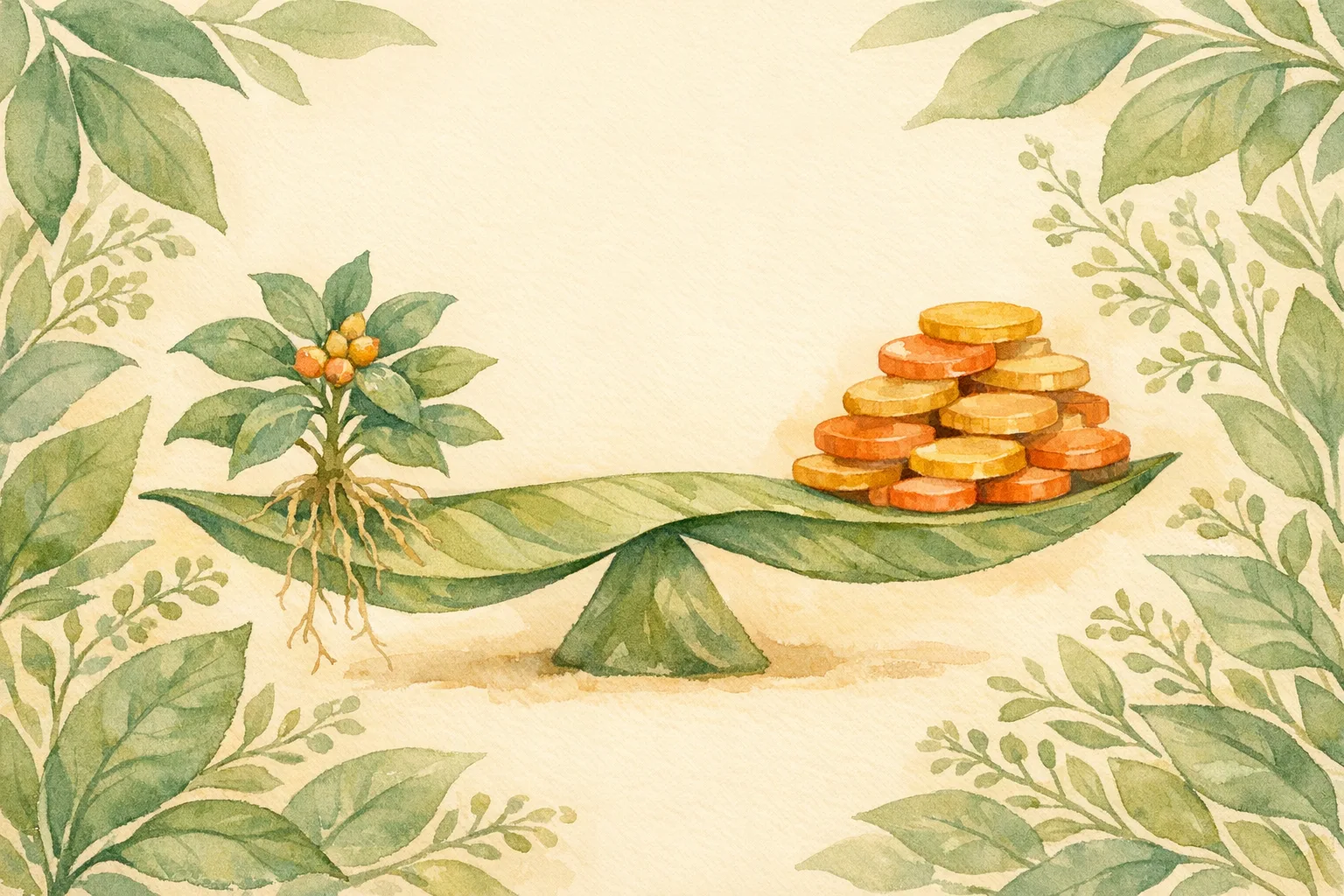
| Cost per cycle / 90-day course | $19,000-$30,000 per cycle | ~$45-90 for 90-day supply |
| Success rate (under 35) | ~50% live birth per cycle | Not directly measured - sperm parameters only |
| Success rate (low sperm count) | Varies by severity; requires ICSI | 167% sperm count increase in 90 days (Ambiye et al.) |
| Side effects | Bloating, mood changes, OHSS risk, injection site pain | Occasional nausea, drowsiness; rare liver cases |
| Insurance coverage | 85% out of pocket; only 25% of Americans have coverage | Not typically covered but minimal cost |
| Emotional toll | 35% of couples quit IVF due to stress | Not measured in trials |
For male-factor infertility specifically: a man producing 9 million sperm per milliliter starts a 90-day ashwagandha course. If results match the Ambiye trial, he ends at 25 million - crossing the normal threshold of 20 million. That change could enable natural conception or dramatically improve IUI success rates, without a single medical procedure. That is a rational first step before spending $19,000.
What the Research Does NOT Show
- No published randomized controlled trial has measured live birth rate as an outcome for ashwagandha. Sperm parameters improved. Pregnancies were not tracked in most studies.
- Female fertility evidence is almost entirely from non-infertile populations or animal models. No controlled trial of ashwagandha in women with confirmed infertility and a live birth outcome exists yet.
- PCOS-specific ashwagandha trials do not exist. The PCOS evidence is extrapolated from perimenopausal and general female populations.
- Long-term safety data beyond 3 months is limited.
- Sample sizes in most trials are small. The Ambiye trial had 46 participants. The Khanna trial had 76. Larger multi-center trials are needed.
Safety - What You Need to Know
Short-term use of standardized root extract at 300-600 mg per day appears safe. Studies up to 3 months report no serious adverse events. The most common side effects are mild: occasional nausea, drowsiness, or upset stomach.
Rare liver injury cases have been reported. These are case reports, not controlled trial findings, but they are real.
Ashwagandha may stimulate immune activity. People with autoimmune conditions - including lupus, multiple sclerosis, and rheumatoid arthritis - should avoid it without medical supervision.
Pregnancy: do not use ashwagandha during pregnancy. Traditional texts suggest possible uterine stimulant effects. Controlled human reproductive safety data during pregnancy does not exist. Use ashwagandha before conception to improve fertility parameters, then stop once pregnant.
When to Consider Ashwagandha - and When to Skip It
Ashwagandha makes the most sense as a first-line support when:
- Male-factor infertility is identified (low sperm count, low motility)
- Stress is a confirmed or suspected contributor to hormonal disruption
- The couple is in the early phase of trying to conceive and has not yet pursued procedures
- A man is undergoing IVF and wants to optimize sperm parameters before egg retrieval
Ashwagandha is not appropriate as a primary strategy when:
- Infertility has a structural cause - blocked tubes, severe endometriosis, azoospermia (zero sperm)
- Egg quality decline due to age is the primary factor
- The woman is already pregnant
- There is an active autoimmune condition
For more on how Ayurvedic protocols address the full fertility picture beyond supplements, see our article on how Ayurvedic fertility protocols work and our breakdown of natural approaches to low AMH.
What You Can Do Today
If you are a man with a confirmed low sperm count diagnosis, ask your doctor about a 90-day trial of KSM-66 ashwagandha at 675 mg per day before the next step. Bring PMC3863556 to the appointment.
If you are a woman with PCOS or stress-related cycle disruption, 600 mg per day of KSM-66 for 8 weeks has documented effects on hormonal markers and sexual function. Whether those effects translate to improved natural conception rates requires larger trials. But the cortisol reduction mechanism - which reduces stress-hormone suppression of ovulation - is biologically sound.
If you are mid-IVF cycle, do not start ashwagandha during a cycle without telling your reproductive endocrinologist. Use it between cycles to optimize sperm parameters for egg retrieval.
If you want a comprehensive fertility support program that integrates herb-based protocols, lifestyle restructuring, and hands-on in-home guidance rooted in Ayurvedic principles, call Omioni at 972-282-3930 to learn what that looks like for your specific situation.