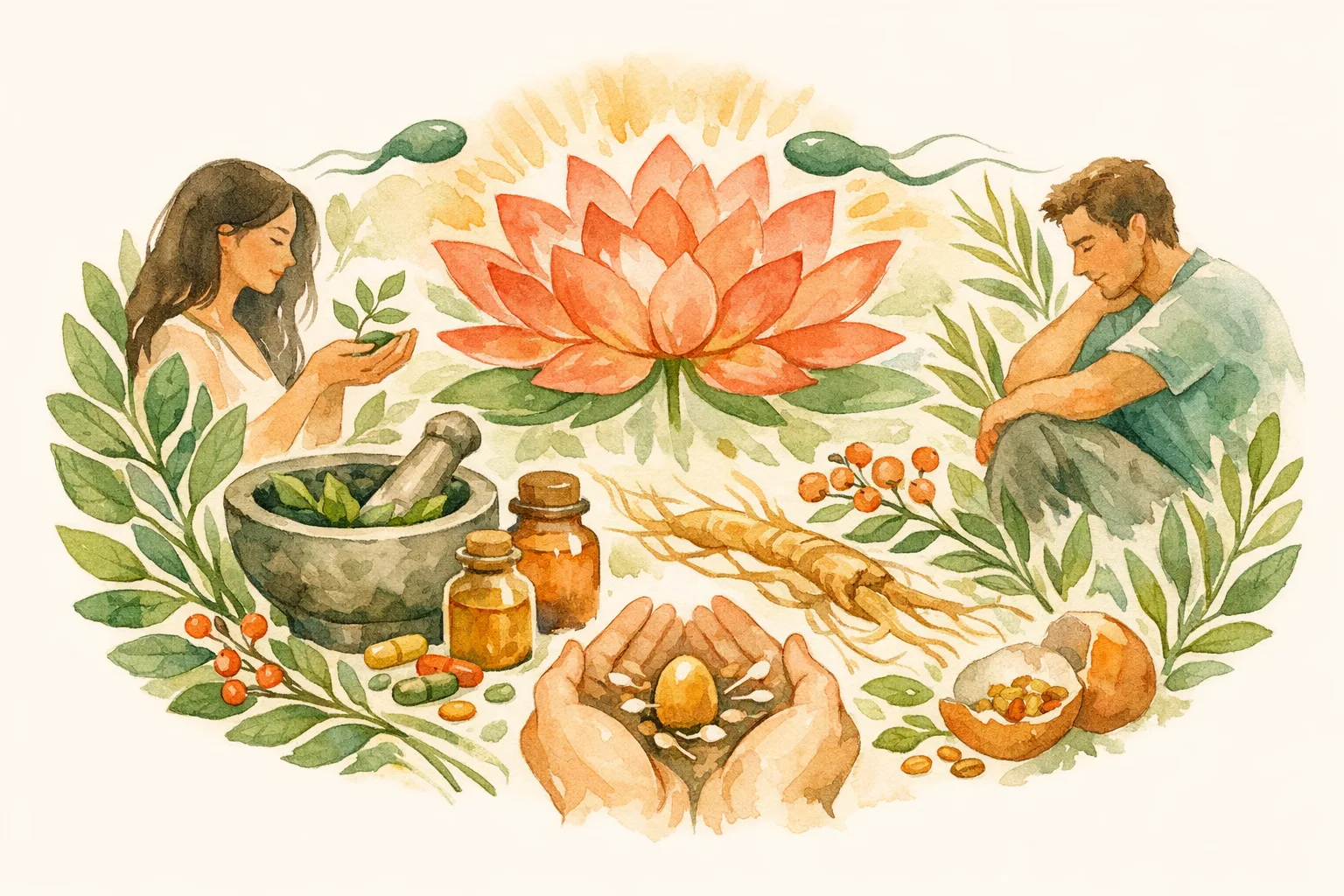
He Is Trying Too. You Are Both Exhausted.
You spend so much time focused on your own tests, your own hormones, your own body. Sperm is where the problem begins in nearly half of all infertility cases. Biology, not blame. And it matters because it changes everything about where to look for answers.
Your partner may have already ordered supplements. He may have a shelf full of bottles right now. CoQ10. Zinc. Vitamin C. Selenium. Maybe ashwagandha. He is trying. You are both trying.
Those bottles have a story - and the newest clinical evidence points to something different entirely.
The Problem With Most Sperm Count Supplements
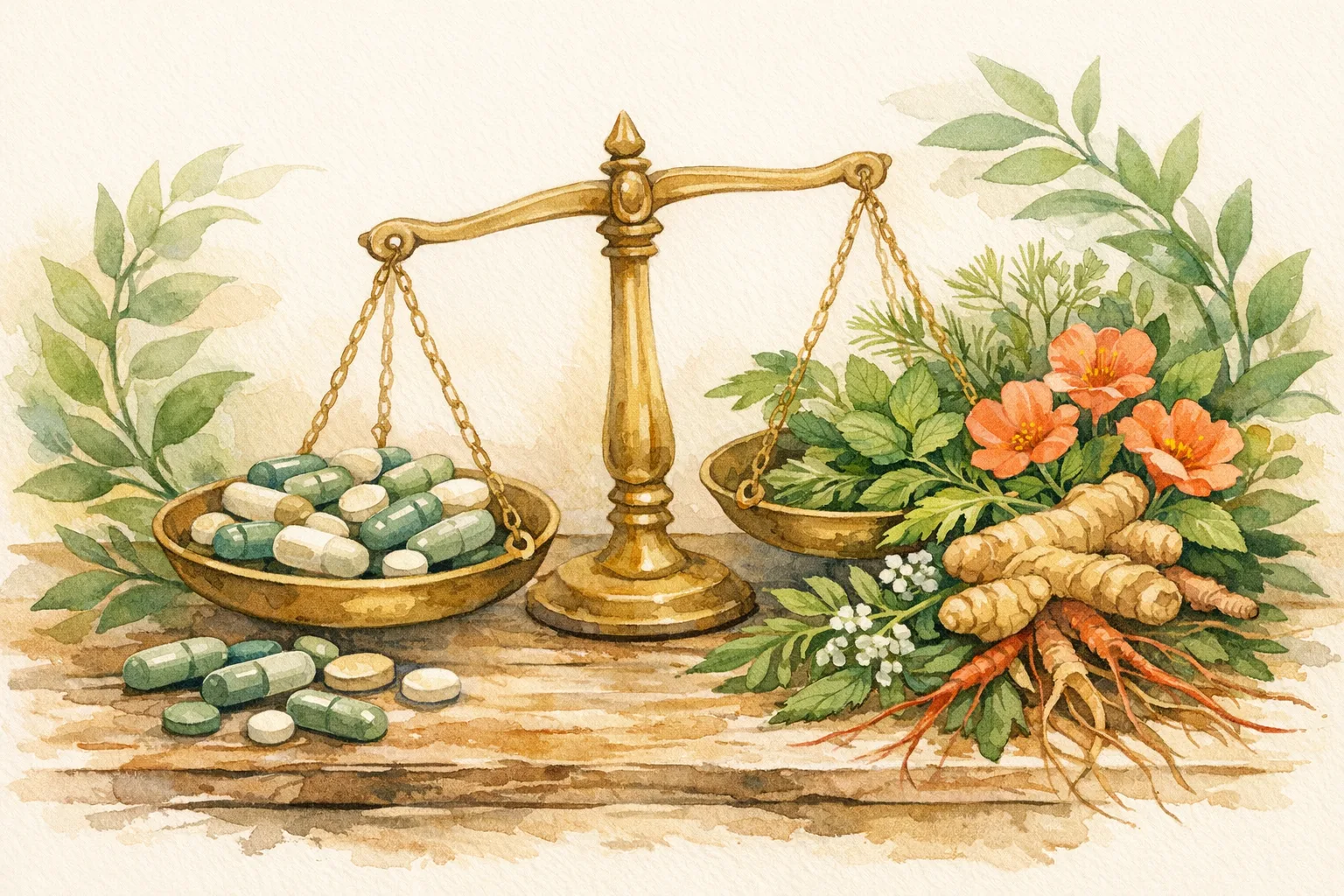
One idea drives every product in this market - oxidative stress damages sperm, so antioxidants should fix it. The logic sounds right. The science does not fully support it.
Oxidative stress is real. Tiny harmful molecules called reactive oxygen species attack sperm membranes and DNA. This can lower count, slow motility, and damage the genetic material inside each sperm cell. According to a review published in PMC, between 30 and 80 percent of male infertility cases involve oxidative stress as a key factor.
So the supplement industry loaded its products with antioxidants. And for years, doctors quietly recommended them. No one had run a trial large enough to prove they worked. Until now.
What the Research Shows
The SUMMER Trial - The Biggest Study Ever Run on Male Fertility Supplements
The SUMMER trial was a multicenter, double-blind, placebo-controlled randomized clinical trial conducted in 21 hospitals and private fertility clinics in the Netherlands. A total of 1,171 men were included - the largest trial ever run on sperm count supplements.
Participants were randomly assigned to receive either a daily antioxidant tablet or an identical placebo for six months. The supplement contained a blend of nutrients including betaine, zinc, folic acid, and several B vitamins.
Results showed no significant difference between the two groups - 33.8% in the supplement group compared with 37.5% in the placebo group. In fact, within the four-to-six-month window of expected effect, the pregnancy rate was lower in the antioxidant group at 15.5% than in the placebo group at 21.5%. Sperm vitality decreased within the antioxidant group compared with baseline, dropping from 62.7% to 54.9%.
Published by de Ligny et al. in JAMA Network Open, the trial concluded that ongoing pregnancy rates did not improve with the antioxidant supplement compared with a placebo.
Researchers believe the answer is reductive stress - the opposite of oxidative stress. When you flood the body with too many antioxidants, you disrupt the chemical balance that sperm actually need. Sperm require some reactive oxygen species to function.
Ashwagandha - The Strongest Evidence for Any Natural Compound
Forty-six male patients with oligospermia were randomized to treatment with a full-spectrum root extract of ashwagandha at 675 mg per day in three doses for 90 days or to placebo.
There was a 167% increase in sperm count, a 53% increase in semen volume, and a 57% increase in sperm motility on day 90 from baseline. The placebo group showed almost no change.
This is PMC3863556, published in a peer-reviewed journal and conducted at five infertility centers in India. A 2018 meta-analysis in Andrologia analyzed four trials and confirmed significant improvements in semen volume, sperm concentrations, and sperm motility.
Ashwagandha prevents the stress-induced cortisol-mediated decrease in testosterone and inhibits prolactin's suppression of sperm production. It fights stress hormones that are quietly killing sperm quality - something generic antioxidants do not do.
Shilajit - The Ancient Himalayan Mineral That Raises Testosterone and Count
Biswas et al. published a clinical trial in Andrologia (PubMed ID 20078516). Infertile male patients with total sperm counts below 20 million per milliliter received processed shilajit capsules at 100 mg twice daily after major meals for 90 days.
The 28 patients who completed treatment showed a 61.4% improvement in total sperm count, improved sperm motility, an 18.9% improvement in normal sperm count, and a 23.5% increase in serum testosterone. Hepatic and renal profiles were unaltered.
Shilajit energizes sperm mitochondria through fulvic acid, its primary active compound, working at the cellular energy level rather than simply neutralizing molecules in the blood.
Mucuna Pruriens - The Herb That Targets the Stress-Sperm Connection
A study assessed the role of Mucuna pruriens in 60 infertile men under psychological stress, confirmed by questionnaire and elevated cortisol levels. Treatment significantly reduced psychological stress and seminal plasma lipid peroxide levels, improved sperm count and motility, and restored key antioxidant enzymes in seminal plasma.
Stress raises cortisol. Elevated cortisol directly suppresses the hormones that drive sperm production. A separate trial published in Fertility and Sterility found that Mucuna pruriens significantly improved testosterone, LH, dopamine, adrenaline, and noradrenaline levels in infertile men, and reduced FSH and prolactin levels. Sperm count and motility were significantly recovered after treatment.
The Ayurvedic Approach
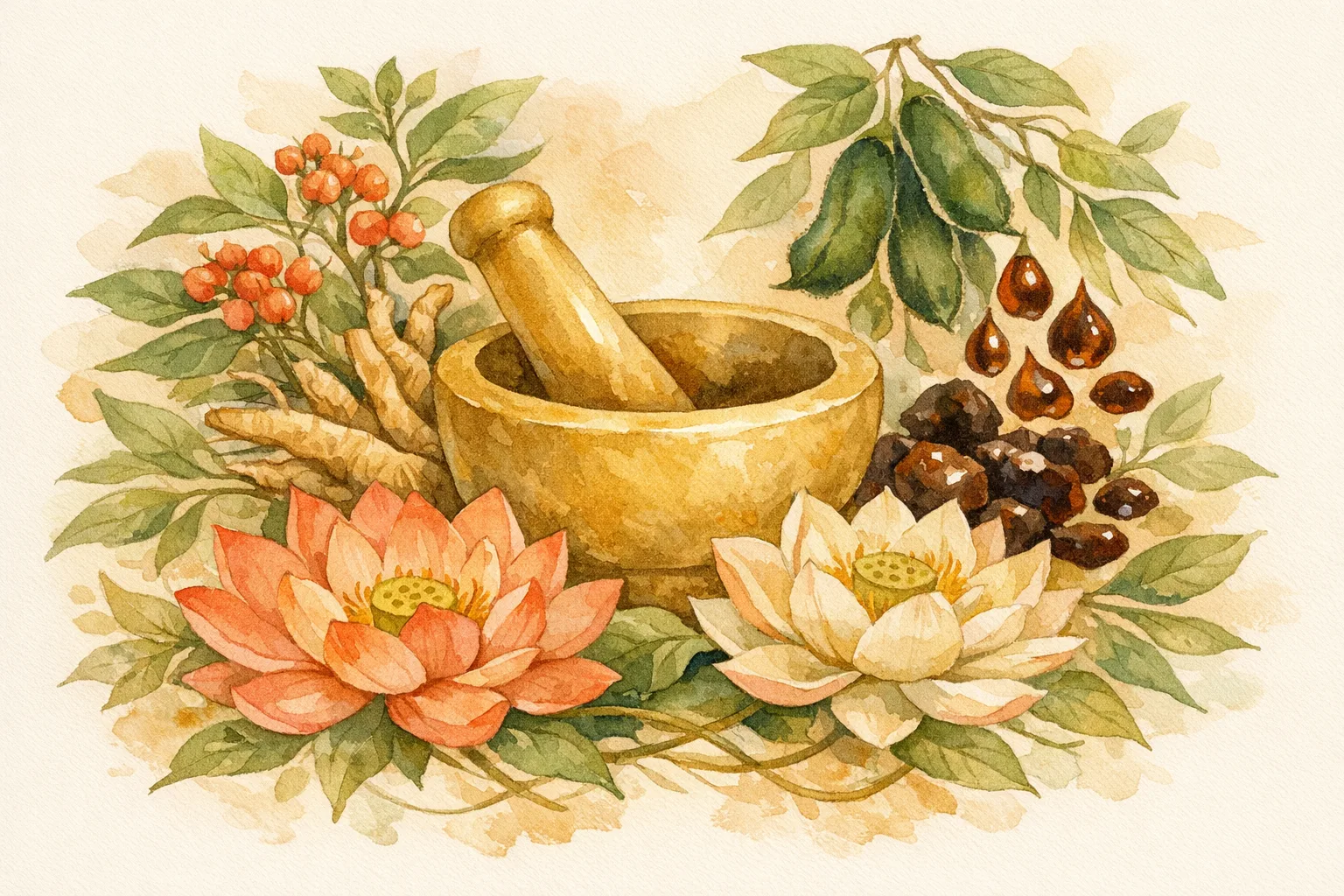
Ayurveda approaches male fertility through a concept called Shukra Dhatu - the most refined tissue in the body. When it is depleted, reproduction suffers. The goal is not to force the body. The goal is to restore it.
Two specific treatment categories apply here. Rasayana focuses on deep rejuvenation of tissues, while Vajikaran provides spermatogenic support. Ashwagandha, shilajit, and Mucuna pruriens fall under both categories.
A case study published in PMC (PMC11259095) documented a farmer whose sperm quality had been damaged by pesticide exposure. After panchakarma therapy and shilajit supplementation, sperm quality improved. Through IVF using physiological intracytoplasmic sperm injection, successful fertilization and high-quality blastocysts were achieved.
Panchakarma - Ayurveda's deep cleansing protocol - removes toxins from the reproductive system before herbs are introduced. That sequencing is deliberate, and it is something a supplement bottle cannot replicate.
Conventional vs Natural - An Honest Comparison
The average all-in IVF cycle in the United States costs between $20,000 and $25,000, including medications and monitoring. Most couples need two to three cycles, putting the real cost closer to $40,000 to $75,000.
The Ayurvedic herbs with real clinical evidence - ashwagandha, shilajit, Mucuna pruriens - have not been tested in trials as large as the SUMMER trial. Most studies are 90 days, with 28 to 75 participants. We need bigger trials. But the biological mechanisms are documented, the results are consistent across multiple independent studies, and these herbs have been safely used for thousands of years.
Some men need IVF. Some need surgery for a varicocele. But every man trying to conceive deserves to know what the Ayurvedic system offers before the first $20,000 is spent.
The 74-Day Rule - Why Timing Matters More Than Anything
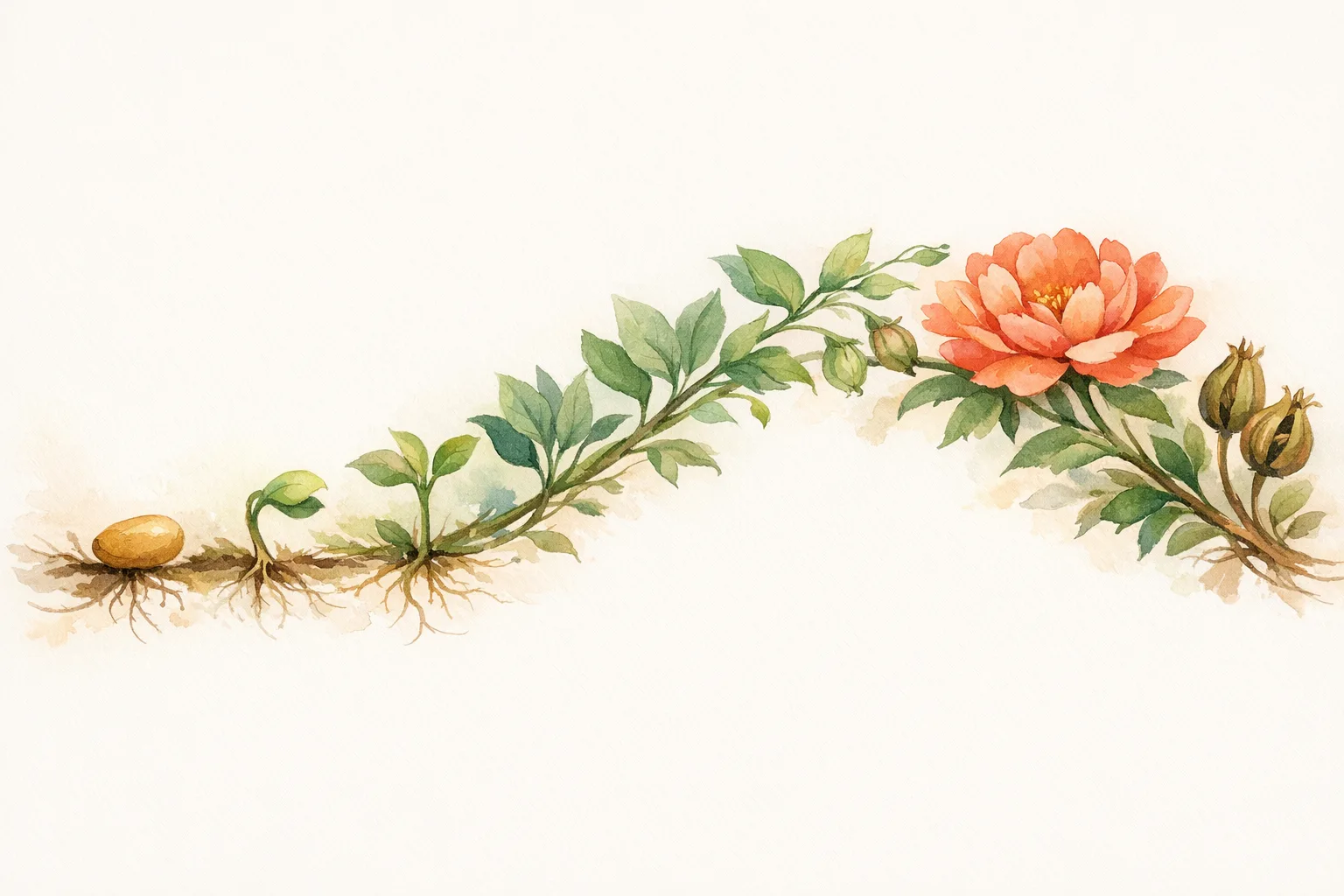
Full sperm development takes about 74 days, plus another 10 to 14 days to mature. Any supplement or lifestyle change needs 90 days before you can measure its effect.
This is why one week of ashwagandha tells you nothing. This is why the Biswas shilajit trial ran exactly 90 days. If your partner starts today - with the right protocol, the right herbs, the right lifestyle changes - you will have your real answer in 90 days.
What He Can Do Today
These are evidence-based starting points. They are not a substitute for a full evaluation or a personalized program.
Start ashwagandha root extract. Look for a standardized extract - KSM-66 or Sensoril - with at least 5% withanolides. The clinical trial dose was 675 mg per day in three divided doses. Give it 90 days.
Consider shilajit. The Biswas trial used 100 mg of processed shilajit twice daily for 90 days. Only use purified shilajit - raw shilajit can contain heavy metals. Look for third-party testing.
Add Mucuna pruriens if stress is part of the picture. The clinical dose was 5 grams of seed powder daily for 90 days. If your partner is anxious, not sleeping, under pressure at work - this herb addresses the cortisol-sperm link that nothing else targets.
Remove heat exposure. Laptops on laps, hot baths, tight underwear, phone in front pocket - these are documented causes of reduced sperm quality.
Stop the generic antioxidant stack. The SUMMER trial found it may reduce pregnancy rates. This is 1,171 men across 21 clinics. If he is taking a multi-antioxidant fertility supplement, the evidence now says to stop.
Eat for sperm health. Zinc from pumpkin seeds and legumes. Omega-3s from walnuts and flaxseed. Folate from leafy greens. Food-based nutrients - not megadose pills - and the research consistently supports them.
When to Consider Each Path
If sperm count is very low - below 5 million per milliliter - see a urologist. If there is a structural issue like a varicocele, surgery may be necessary before anything else works. If hormonal issues are confirmed through blood tests, those may need direct treatment.
For men with moderately low sperm count, poor motility, high DNA fragmentation, or unexplained infertility, the evidence supports trying a 90-day Ayurvedic protocol first.
You can also read more about how the female side of this works on our article on natural approaches to low AMH and our guide to Ayurvedic fertility nutrition.
Take the Next Step
At Omioni, we do not sell supplements. We restructure lives. Diet, movement, environment, mental load, stress, sleep, relationship dynamics, digital habits - everything that feeds or drains reproductive health gets examined. We come to your home. We work with both of you. We build the conditions for conception from the ground up.
If you are ready to talk, call us at 972-282-3930. We are based in Las Vegas, and we work with couples who travel specifically to do this program.
Frequently Asked Questions
Do sperm count supplements actually work?
Some do. The SUMMER trial, published in JAMA Network Open with 1,171 participants, found that a popular antioxidant supplement called Impryl did not improve pregnancy rates and may have lowered them in the four-to-six-month window. However, specific Ayurvedic herbs - ashwagandha, shilajit, and Mucuna pruriens - have individual clinical trials showing significant improvements in sperm count and motility over 90 days.
How long does it take for sperm supplements to work?
A minimum of 90 days. Sperm takes about 74 days to fully develop, plus another 10 to 14 days to mature. Any supplement or lifestyle change started today will not show measurable results until three months later.
What is the best supplement for low sperm count?
Based on the existing clinical evidence, ashwagandha root extract has the strongest data for men with low sperm count. A pilot randomized controlled trial published as PMC3863556 found a 167% increase in sperm count after 90 days of KSM-66 extract at 675 mg per day. Shilajit showed a 61.4% increase in the Biswas et al. Andrologia trial. Both should be considered before generic antioxidant supplements, which the SUMMER trial showed may not help.
Is ashwagandha safe for men trying to conceive?
The clinical trial data shows it is well-tolerated. The PMC3863556 study ran for 90 days with no safety concerns reported. A separate ScienceDirect study also confirmed good tolerability in healthy men. Consult your doctor if you are taking medications or have a chronic health condition.
Can stress affect sperm count?
Yes. A study published in PMC (PMC2816389) found that men under psychological stress had significantly lower sperm count and motility. Stress raises cortisol, which suppresses the hormones that drive sperm production. Mucuna pruriens is the one herb with clinical evidence specifically targeting this cortisol-sperm connection.
Should my partner stop taking his current fertility supplements?
If he is taking a multi-antioxidant stack like Impryl or a similar product, the SUMMER trial found no benefit and a possible reduction in pregnancy rates during the key treatment window. That evidence is worth discussing with your doctor. Ashwagandha, shilajit, and Mucuna pruriens are supported by different mechanisms and different evidence.
How is Ayurvedic treatment for male fertility different from supplements?
Ayurveda does not treat sperm count in isolation. It addresses the entire environment that produces sperm - stress levels, sleep, diet, heat exposure, toxic load, hormonal balance, and emotional state. Herbs like ashwagandha and Mucuna pruriens work by restoring the body's own hormonal and stress-response systems, not by adding antioxidants to a diet that has not changed.
Medical disclaimer: This article is for informational purposes only. It does not constitute medical advice and is not a substitute for consultation with a licensed healthcare provider. Individual results vary. No specific medical outcomes are promised or implied.