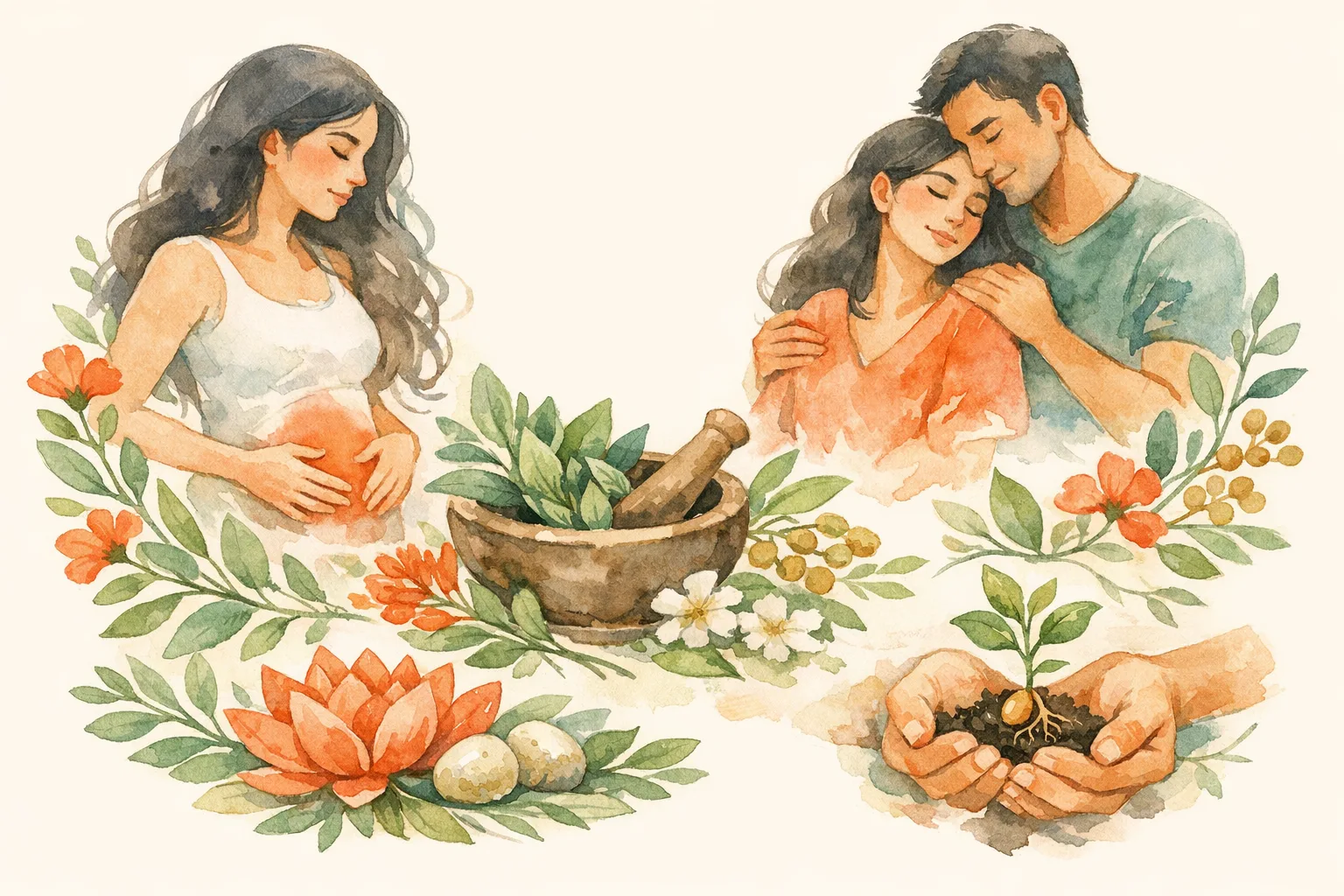
She Has Been Trying for a Long Time
You know what I see every week. Women who have been tracking their cycles for two years. Women who have done three rounds of IVF and still do not have a baby. One woman I worked with had cried in waiting rooms, injected hormones into her stomach, and spent money she did not have - and she was not alone.
And then they find me. And the first thing they say is: "I wish someone had told me about this earlier."
I grew up in the hills of Himachal Pradesh, in northern India. My great-grandmother was the woman the whole village came to for health advice. Herbs. Diet. Timing. Rest. Nobody in my family had trouble getting pregnant. Nobody.
Knowledge built over generations does not disappear - it compounds. And that knowledge is now being tested in clinics and published in journals. This article tells you what those studies actually say.
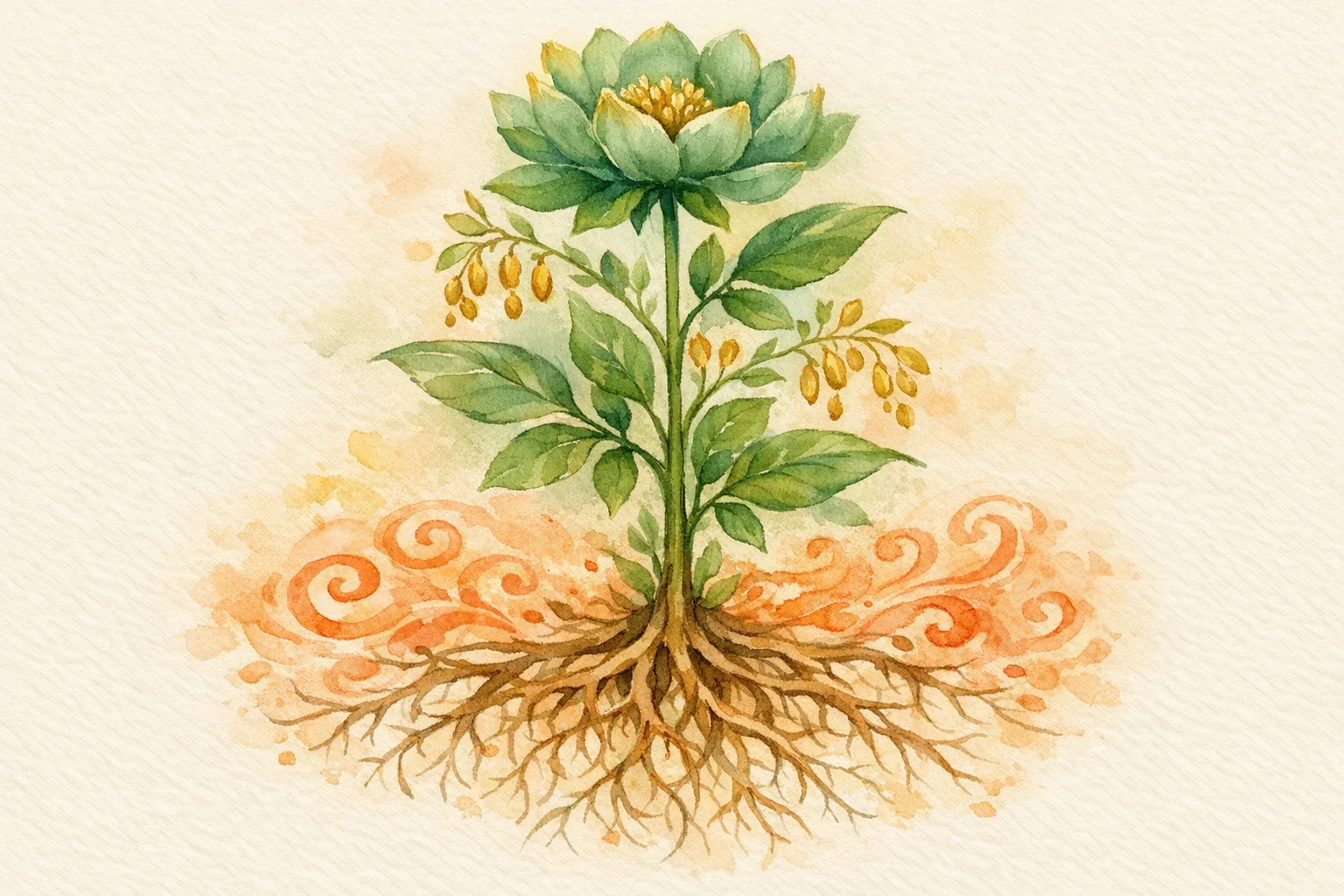
What Is Happening in Your Body
Infertility is defined as not getting pregnant after 12 months of trying. According to the World Health Organization, around 60 to 80 million couples face this problem worldwide.
For women, the most common causes are hormonal imbalances, problems with ovulation, polycystic ovary syndrome, low egg count, and unexplained infertility. When your body is under constant stress, it produces high amounts of cortisol, which disrupts the hormones that control your menstrual cycle and egg release.
This is where herbs come in. Herbs work with your body's own systems.
Conventional vs Natural - The Honest Comparison
| Factor | IVF | Herbal and Ayurvedic Approach |
|---|---|---|
| Cost per cycle | $15,000 to $30,000 per cycle, per GoodRx and the U.S. Department of Health and Human Services. Most women need 2 to 3 cycles. | Call 972-282-3930 to discuss |
| Success rate under 35 | About 49.7% live birth rate per retrieval, per CDC 2022 data | Varies by condition and protocol. Chinese herbal medicine meta-analyses report 50-60% pregnancy rates in comparable groups. |
| Success rate over 40 | 7.7% live birth rate using own eggs, per CDC 2022 data | Herbal medicine alone showed 32% live birth rate in low ovarian reserve patients in one study (MDPI Medicine, ) |
| Side effects | Hormone injections, bloating, ovarian hyperstimulation, mood changes, surgical egg retrieval | Generally well tolerated. Always consult a practitioner before starting. |
| Timeline | 4 to 6 weeks per cycle | 3 to 6 months for full hormonal rebalancing |
| What it treats | Works around the problem. Does not fix the hormonal imbalance underneath. | Addresses the root cause - hormones, stress, egg quality, uterine health |
IVF is a medical procedure. For some women, it is the right and necessary choice. Every woman deserves to know both options before spending tens of thousands of dollars.
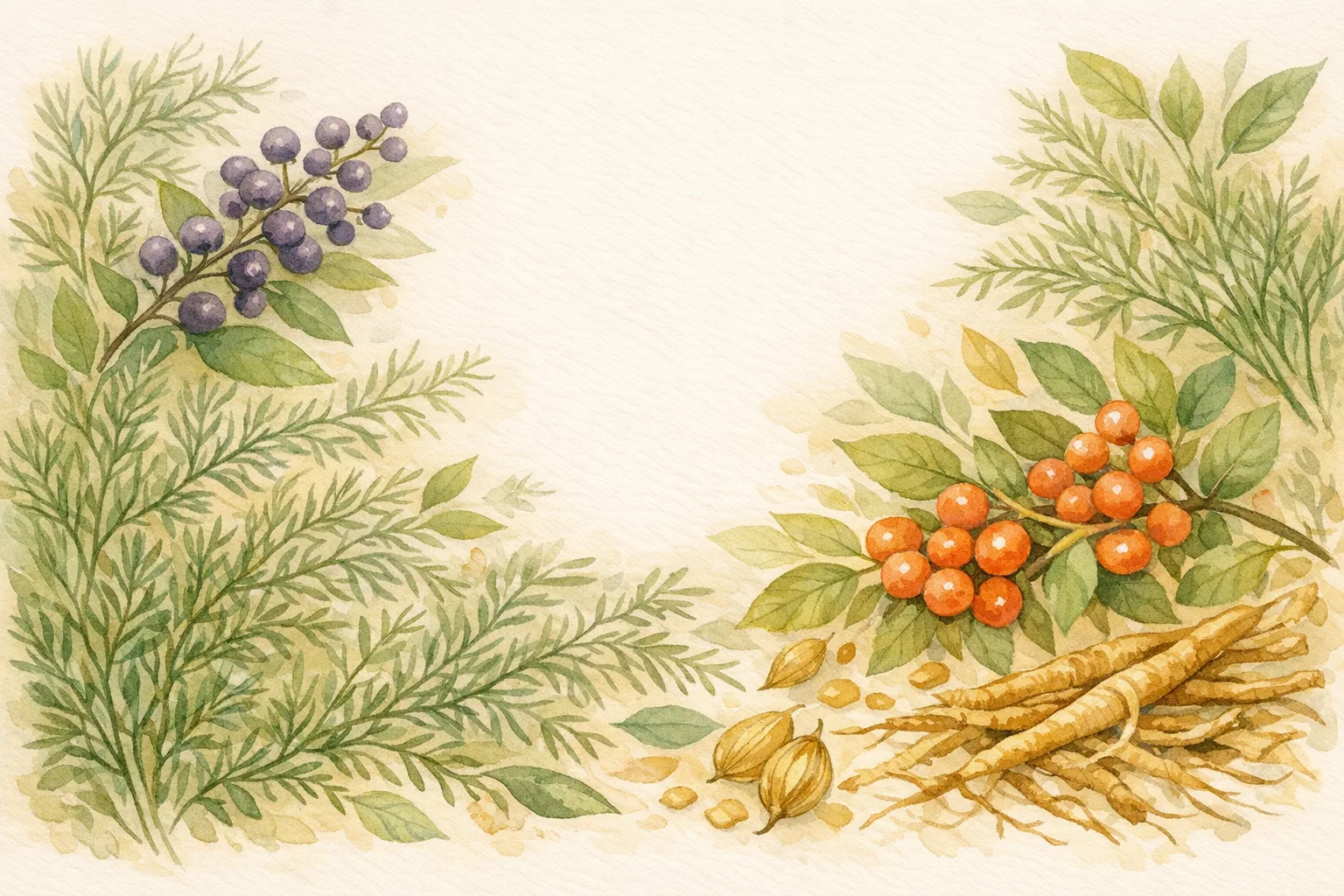 vitex fertility herbs arranged as an herbalist's journal composition" style="max-width:100%;height:auto;border-radius:0.75rem" loading="lazy" />
What the Research Shows
Here are the herbs with the strongest evidence. These are not wellness trends. These are plants that have been used for thousands of years - and now have clinical studies behind them.
Shatavari (Asparagus racemosus) - The Core Herb for Female Fertility
Shatavari is the most important fertility herb in Ayurveda. The name literally means "able to have one hundred husbands" - a reference to its effect on female reproductive vitality.
A review published in Biomedicine and Pharmacotherapy (PubMed ID 29635127) found that shatavari may improve female reproductive health complications including hormonal imbalance, polycystic ovary syndrome, follicular growth, egg quality, and infertility. The proposed mechanism is that shatavari reduces oxidative stress and increases antioxidants - protecting eggs from stress damage.
A randomized, double-blind, placebo-controlled study published in Functional Foods in Health and Disease tested a standardized shatavari root extract on 75 women. The trial found increased ovarian follicle count and measurable changes in follicle-stimulating hormone and anti-Mullerian hormone - the two markers most used to assess egg count and ovarian function.
A separate review published in Current Nutrition Reports (Springer Nature) confirmed that shatavari shows promise for fertility due to its active compounds including saponins and flavonoids. Further clinical trials are needed to confirm effects - the early data is strong, the large trials are still coming.
Ashwagandha (Withania somnifera) - The Stress-Fertility Link
When cortisol stays high for weeks or months, it disrupts the entire hormonal chain that controls ovulation. Ashwagandha directly targets this.
A systematic review published in Phytotherapy Research (PubMed ID 41249015) confirmed that ashwagandha has the potential to improve sexual health and may serve as a therapeutic agent in certain reproductive disorders due to its antioxidant properties.
In a randomized controlled trial published in the Journal of Ethnopharmacology (PubMed ID 32956834), 68 women with stress-related menstrual irregularities took 300mg of KSM-66 ashwagandha extract twice daily for 90 days. The ashwagandha group showed significant reductions in follicle-stimulating hormone levels and normalization of hormone ratios compared to placebo.
A clinical study comparing ashwagandha to Clomiphene citrate found that ashwagandha was effective in enhancing follicle size and endometrial thickness - two key physical markers a doctor looks for when assessing readiness for conception.
Vitex or Chasteberry (Vitex agnus-castus) - The Progesterone Herb
One of the most researched fertility herbs in Western clinical trials is Vitex, also known as chasteberry. It has been used in European medicine for centuries and is now backed by several controlled trials.
A landmark double-blind, randomized, placebo-controlled study enrolled 52 women with documented luteal phase defects caused by elevated prolactin. Women received either 20mg of Vitex extract daily or placebo for three months. The Vitex group showed lower prolactin levels, normalized progesterone during the second half of the cycle, and a lengthened luteal phase. Two women in the Vitex group became pregnant during the trial. None in the placebo group did.
A subsequent trial by Gerhard and colleagues enrolled 96 women with fertility disorders - 38 with absent periods, 31 with luteal insufficiency, and 27 with unexplained infertility. They received either a Vitex-based preparation or placebo for three months. Pregnancy occurred in the treatment group more than twice as often as in the placebo group. Fifteen women conceived in total.
The American Academy of Family Physicians published a review in American Family Physician confirming Vitex is well tolerated, with minor and reversible side effects. No herb-drug interactions have been reported in the research.
Vitex works by reducing excess prolactin, which when too high can prevent ovulation. It is most effective for luteal phase defects, elevated prolactin, and absent or irregular periods.
Chinese Herbal Medicine - The Strongest Data Set
The largest body of clinical evidence for herbal fertility treatment comes from Traditional Chinese Medicine. Many of the underlying principles and plant families overlap with Ayurveda - and the research gives us a picture of what plant-based fertility treatment can achieve at scale.
A meta-analysis published in Phytotherapy Research (PubMed PMID 25637159) reviewed 40 randomized controlled trials involving 4,247 women. The conclusion: herbal medicine showed 1.74 times higher probability of achieving pregnancy compared to Western drug treatment alone. The meta-analysis included women with polycystic ovary syndrome, endometriosis, anovulation, fallopian tube blockage, and unexplained infertility.
A second meta-analysis, registered with PROSPERO and published in PLoS One (PubMed PMID 24339951), reviewed 20 randomized controlled trials involving 1,721 women comparing herbal medicine combined with IVF versus IVF alone. Herbal medicine combined with IVF significantly increased clinical pregnancy rates - odds ratio 2.04. Roughly double the odds of pregnancy when herbs were added to IVF.
A study published in MDPI Medicine specifically looked at women with low ovarian reserve - where IVF live birth rates are below 20%. In this study of 240 women, the herbal medicine-only group had a 32% live birth rate, compared to just 5% in the control group. The combined herbal and IVF group reached 42%.
The Ayurvedic Approach
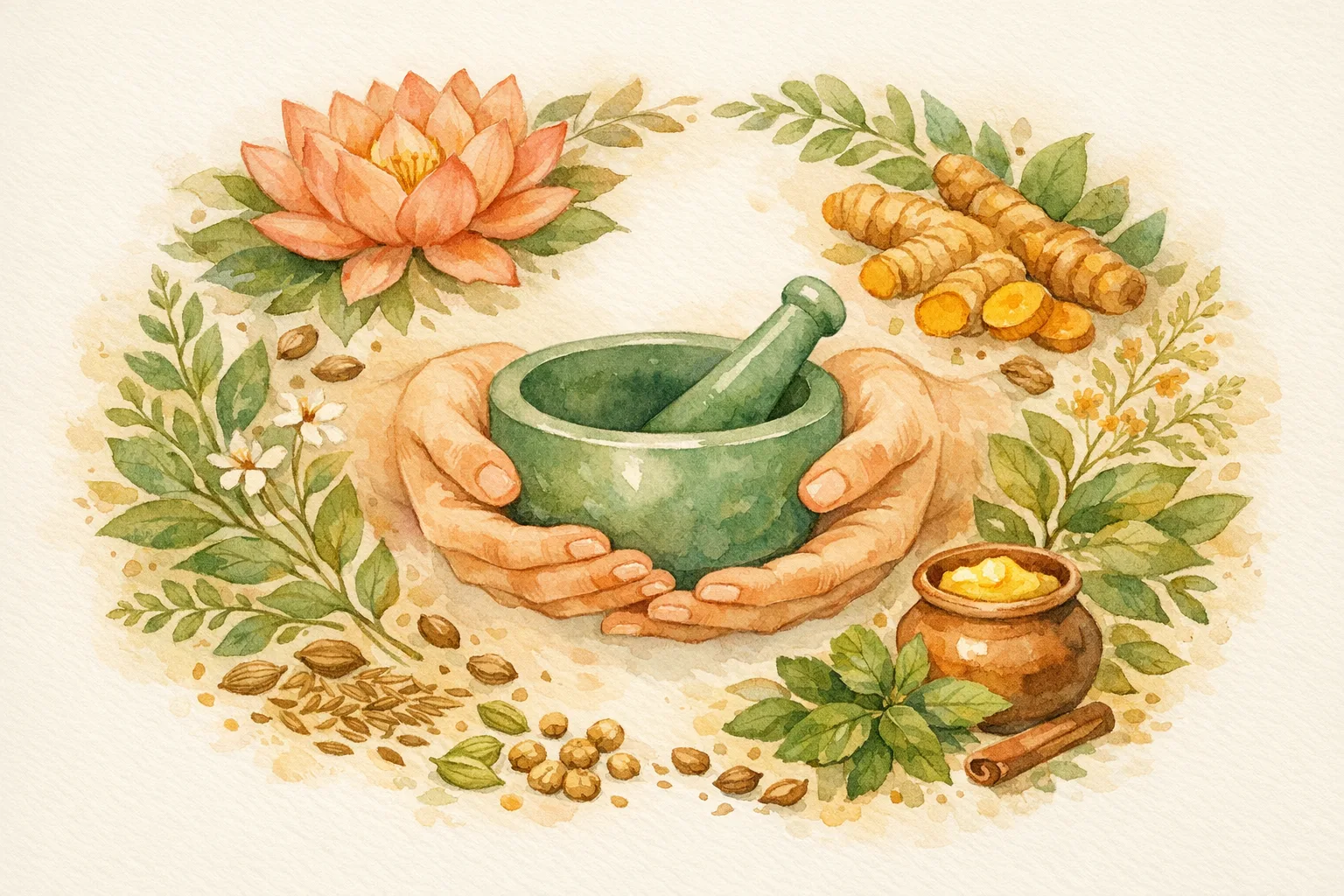
Ayurveda does not treat fertility as a single organ problem. It treats the whole person. Here is what a full Ayurvedic fertility protocol looks at:
Herbs
The primary herbs are Shatavari for egg quality and hormonal balance, Ashwagandha for stress and the hormonal chain from brain to ovaries, Triphala for detoxification and digestive health, and Lodhra for uterine wall strength and hormonal regulation. These are typically taken as prescribed formulations, not random supplements bought online. Dosage, timing, and combination matter.
Diet
Ayurveda uses food as medicine. Ghee is used to nourish reproductive tissue. Turmeric reduces inflammation in reproductive organs. Urad dal cooked with cumin, coriander, and fennel supports the reproductive system directly. The goal is to eat warming, nourishing foods that build tissue - not drain it.
Lifestyle and Environment
Sleep quality, stress levels, who you spend time with, what you look at on your phone, whether your home supports rest or chaos - all of these affect your hormones. Cortisol does not care that you went to a clinic. If your life is still producing the same cortisol every day, the same hormonal disruption will continue.
At Omioni, based in Las Vegas, this is exactly what the program addresses - not just herbs in a bottle but your entire daily life restructured around conception.
Mental and Emotional Health
A review in Biomedicine and Pharmacotherapy noted that chronic psychological stress leads to poor IVF outcomes because cortisol inhibits the hormone needed for egg production. Ashwagandha works specifically to break this stress-fertility cycle.
What You Can Do Today
1. Add Shatavari to your morning routine. A standardized root extract is the most studied form. Talk to an Ayurvedic practitioner about dosage. Give it at least 90 days. Hormones do not change in two weeks.
2. Assess your stress honestly. If your cortisol is high, no herb will fully work. If you are sleeping badly, anxious, and exhausted, start there.
3. Look at your diet. Are you eating cold, processed, or inflammatory foods? Ayurveda recommends warm, cooked, nourishing foods for fertility.
4. Track your cycle carefully. The quality of your period tells you everything about what needs to be addressed first.
5. Do not start multiple herbs at once. You need to know what is working. Start with one, give it time, then add more under guidance.
When IVF Makes Sense
IVF is the right choice in some situations. Blocked fallopian tubes require IVF because herbs cannot physically open a tube. Severe male factor infertility may require IVF. Women over 42 with very low egg counts may have run out of time for a 3-6 month herbal protocol.
But for the majority of women in their 30s with hormonal imbalances, irregular cycles, polycystic ovary syndrome, stress-related infertility, or unexplained infertility - the herbal approach has strong evidence and should be tried first.
Why This Matters More Than You Think
According to FertilityIQ, the average American patient spends close to $50,000 on IVF because most need 2 to 3 cycles to achieve a live birth. Only 20% of U.S. patients have insurance coverage for IVF.
A 3-to-6 month herbal protocol costs a fraction of one IVF cycle. If it works, you never need IVF. If it does not work, you have given your body the best possible foundation before IVF - and the research shows herbal support improves IVF outcomes when used together.
Call Omioni
Omioni offers a Natural IVF program - an intensive, in-home fertility protocol built around conception. No needles. No procedures. We come to your home and restructure your entire life - your diet, your herbs, your environment, your relationships, your mental state, your phone. Everything that affects your hormones gets addressed.
Based in Las Vegas. People move here to do this program.
Call 972-282-3930 to find out if this is right for you.
Frequently Asked Questions
How long do fertility herbs take to work?
Most herbs require 3 to 6 months to produce measurable hormonal changes. The Vitex research consistently shows effects emerging by month 3. Shatavari and Ashwagandha trials run for 90 days minimum. Give it time before deciding it is not working.
Can I take fertility herbs while doing IVF?
The meta-analysis published in PLoS One found that combining herbal medicine with IVF doubled the odds of pregnancy compared to IVF alone. However, some herbs can interfere with fertility medications. Tell your IVF doctor what you are taking and work with both practitioners together.
Is Shatavari safe for everyone?
The clinical studies on shatavari show it is generally well tolerated. However, pregnant and breastfeeding women should consult a healthcare professional before using it, as noted in the Current Nutrition Reports review. Individual responses vary.
What if I have PCOS?
PCOS is one of the most studied conditions in the herbal fertility literature. The Biomedicine and Pharmacotherapy review found that shatavari treatment is focused specifically on overcoming PCOS problems and normalizing ovarian physiology. Ashwagandha research shows improvements in insulin sensitivity and stress-related hormonal disruption relevant to PCOS. Vitex is also used for PCOS-related anovulation. A qualified Ayurvedic practitioner should guide the protocol for your specific situation.
What if my egg count is low?
The MDPI Medicine study found that even in women with low ovarian reserve, herbal medicine produced a 32% live birth rate compared to 5% in the control group. The combined herbal and IVF group reached 42%. It is worth a 90-day trial before going straight to IVF.
Can herbs help if I have unexplained infertility?
Unexplained infertility is often stress-related hormonal disruption that conventional tests do not pick up. The herbal medicine meta-analyses specifically included women with unexplained infertility and showed significant improvements in pregnancy rates. The Vitex trial by Gerhard included 27 women with idiopathic infertility - 4 of the 15 who conceived had this diagnosis.
Do I need to take herbs the entire time I am trying to conceive?
Most protocols run for 3 to 6 months of active use. The goal is to rebalance your hormones so conception can happen naturally. Once pregnant, several herbs should be discontinued. Work with a practitioner to taper appropriately.
Medical Disclaimer: This article is for informational purposes only and does not constitute medical advice. The herbs and approaches discussed are not intended to diagnose, treat, cure, or prevent any condition. Always consult a qualified healthcare provider before starting any herbal protocol, especially if you are pregnant, breastfeeding, or taking medications. Individual results vary. Omioni does not guarantee specific fertility outcomes.